
No, but what it means changed, and the businesses that adapt are the ones getting mentioned when somebody asks a machine who to call. The work is largely the same work. What’s different is that being the answer now matters as much as being the first link. This is the long version of a question on the page about local and AI search, where the short answer is the same one.
What follows is what actually changed, what didn’t, and the one thing every source on this agrees about, which almost nobody does.
What actually changed
Somebody who used to type “emergency plumber near me” and scan ten blue links now often asks a question in full sentences and gets an assembled answer with two or three businesses named in it.
That’s a real shift, and it has two consequences.
Fewer clicks for questions with simple answers. If somebody asks what time you close, the machine tells them and nobody visits your site. That traffic is gone and it isn’t coming back.
More weight on being named. Being one of three businesses in an answer is worth more than being seventh on a page nobody scrolls. The list got shorter, which cuts both ways.
What didn’t change
The machine isn’t inventing its answer. It’s assembling one from sources it already trusts, and for a local business those sources are depressingly familiar.
Your business listing, complete and accurate, with categories that match what you actually do.
Your reviews, in volume, recent, and replied to.
Pages that state plainly what you do and where. Not a services list. Sentences a machine can lift.
Consistency of your name, address and phone across everything that mentions you.
Every one of those was already the job. Nobody has to choose between ranking well and being cited, because the same work produces both.
The one thing every source agrees on
Publish real questions with real answers, and mark them up.
Across twenty published guides on getting mentioned by AI, the single most repeated instruction is the same one: write pages that answer specific questions customers actually ask out loud, and add the structured markup that tells a machine what it’s looking at.
That isn’t a trick, and it isn’t new. It’s the oldest good advice in this field, which is why it survived the shift. A question with a clear answer beneath it is the easiest thing in the world for a machine to quote.
If you do one thing this quarter, do that one.
Why the answer engines lean on the same signals
A model answering “who should I call for a blocked drain in this town” has no independent knowledge of your business. It has what’s published about you.
So it falls back on the things that are checkable: a verified listing, a body of reviews from real accounts, a site that says the same thing as the listing. Those are trust signals, and they were trust signals before anybody was asking a chatbot anything.
This is why MegaVoxx didn’t build a separate service for it. A second product would imply a second job, and there isn’t one.
What’s genuinely worth doing differently
Three things, none of them dramatic.
Answer the question in the first sentence. A page that spends three paragraphs warming up gives a machine nothing to lift. State the answer, then explain it.
Write the way people ask. People speak to these systems in full questions, so the phrasing on your pages should look like the phrasing in their heads.
Don’t block the crawlers. Several AI systems use their own named crawlers, and it’s entirely possible to be invisible to them by accident through a misconfigured file nobody has looked at in two years. Worth checking, and free.
The part that worries people, and should
There’s a real loss in this, and pretending otherwise would be dishonest.
Informational traffic is thinning. A business whose site earned visits by answering general questions is losing those visits, because the machine now answers them without sending anybody anywhere. That’s a genuine change and no amount of good practice reverses it.
What holds up is transactional intent. Somebody who needs a person at their house this week still has to choose one and contact them, and no answer engine does that step for them. For a local service business, that’s nearly all of the traffic worth having, which is why this shift has hurt publishers far more than it has hurt trades.
What to ignore
The acronyms. There’s a small industry attaching new names to this and selling it as a separate discipline at a separate price. The underlying work is local search done properly, and anybody charging you twice for it is charging you twice.
Also ignore anybody promising to get you “into ChatGPT.” Nobody can promise placement in a generated answer. It isn’t a listing, there’s no submission process, and the systems change monthly.
What we’d tell you on the phone
Go and ask one yourself. Ask a chatbot who to call for your service in your town, and see whether you’re mentioned and whether what it says is right.
That takes two minutes and it’s more useful than any report on the subject. If you’re absent, the reason is almost always something ordinary: a thin listing, few reviews, or a site that never plainly said what you do.



Book a call
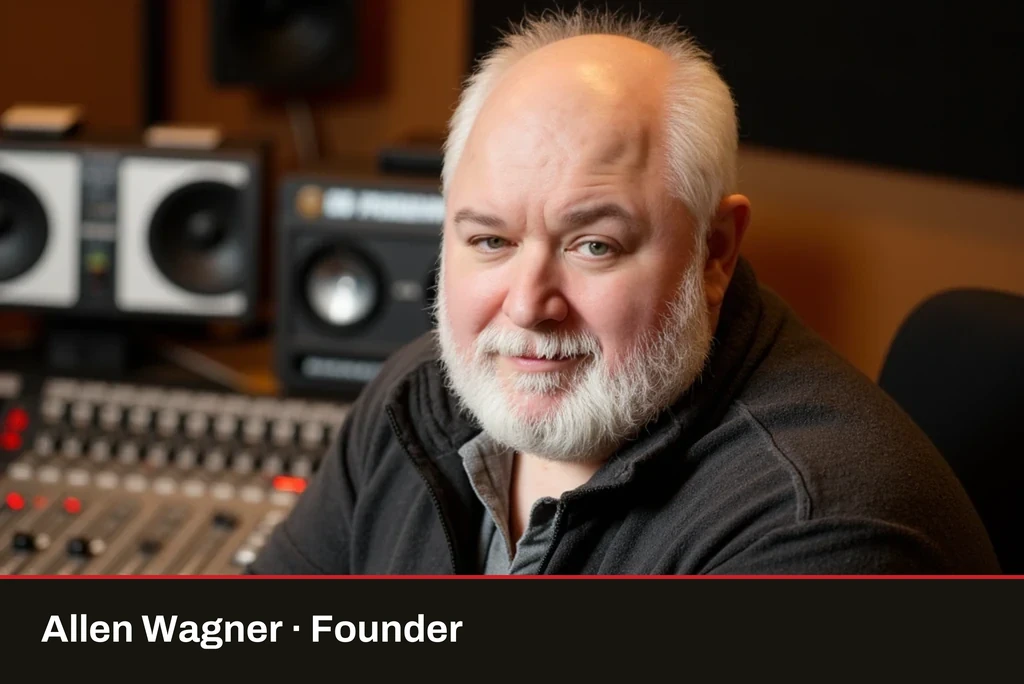
“I'd love to learn about you and your business.”
Ten minutes, and it's mostly me asking what you do, where you do it, and what you've already tried. No pitch deck, no discovery fee, no sales pressure.
Send the form on the rightbelow and I'll set up a call. If we're not a fit I'll tell you right up front and do my best to point you in the right direction.
Call me instead (360) 467-6957