
Yes, and the part that matters isn’t translation. It’s that a Spanish-speaking searcher and an English-speaking one are often looking for different things, from different devices, and sometimes they aren’t the same person as the client at all.
Running your existing pages through a translator produces Spanish. It doesn’t produce a practice that a Spanish-speaking family can find, read and trust, and the gap between those two is where most of the work is.
The searcher is often not the client
In immigration especially, the person typing is frequently a relative. An adult child searching on behalf of a parent. A sibling already here searching for somebody who isn’t. A spouse doing the research because they have the better English and the steadier internet connection.
That changes what the page has to do. It has to satisfy somebody who will then explain it to somebody else, which means plain sentences that survive being repeated out loud, and answers to the questions a family asks rather than the ones a form asks. What does the first meeting cost. What do we bring. What happens if the answer is no.
It also means the phone matters more than usual, because the follow-up question comes by voice. Whether that call gets answered is a bigger share of the outcome here than in most practices.
Translated isn’t the same as written
Machine translation is now good enough to be dangerous. It produces sentences that parse. It doesn’t reliably produce the register a legal page needs, and it has a specific habit of translating terms of art into their everyday meanings, which reads to somebody in the middle of an immigration matter like a practice that doesn’t handle immigration matters.
The fix isn’t expensive, it’s just different: have the pages written in Spanish by somebody who works in Spanish, or have a translation reviewed by one. The difference shows up in the first two sentences, which is where you’re being judged.
Don’t machine-translate reviews or testimonials at all. Somebody’s words in their own language are evidence. The same words run through software are a claim you’ve made on their behalf.
What Google needs to know
Your Business Profile carries a language, and it’s worth setting deliberately. So is naming the languages your practice actually works in, which is a service attribute rather than a line of copy, and it appears in places your website doesn’t reach.
On the site itself, a Spanish page needs to be a real page at its own address rather than a toggle that swaps text in place. A page Google can’t reach separately is a page it can’t offer to a Spanish-language searcher, however good the Spanish is.
And the searches themselves differ. People don’t translate their own questions, they ask the ones they’d ask. The Spanish-language version of a page is rarely the same page with different words; it’s often a different set of questions in a different order, weighted toward process and cost rather than credentials.
What this isn’t
It isn’t a second website. A parallel site doubles what has to be maintained and halves the attention each half gets. A section of the same site, properly addressed and properly written, does the job.
And it isn’t only for immigration. The same reasoning applies anywhere a share of your market lives in another language, which in this metro includes a good deal of home services work. The reason it comes up on the immigration page is that the proportion is high enough that ignoring it is a decision rather than an oversight.
Where the two versions have to agree
The one thing worse than no Spanish page is two pages that say different things. Fees, timelines, what a consultation includes: if the English page has been updated and the Spanish one hasn’t, somebody is being told something that is no longer true, and they’re the half of your audience least able to check it against anything else.
So whatever gets built has to be maintained in both languages at once, by whoever maintains the site. That’s a real ongoing cost, and it’s the reason we’d rather scope this at the start than add it later, when the English version has a two-year head start and nobody remembers which claims moved.
The honest answer
We can build and run it, and we don’t write the Spanish ourselves. We’d bring in somebody who works in the language, the same way we’d rather quote a source than paraphrase one. Getting this half right and half wrong is worse than not doing it: a page in confident Spanish that misuses one term tells a careful reader you’re guessing about their case.
What else is different about marketing an immigration practice covers the rest of it, including deadlines, detentions, and why the call that comes in is often not from the person the matter is about.
If a meaningful share of your clients search in Spanish, say so on the first call. It changes what we’d build and roughly what it costs, and it’s the sort of thing that’s cheaper to plan for than to add. MegaVoxx would rather scope it properly than bolt it on.



Book a call
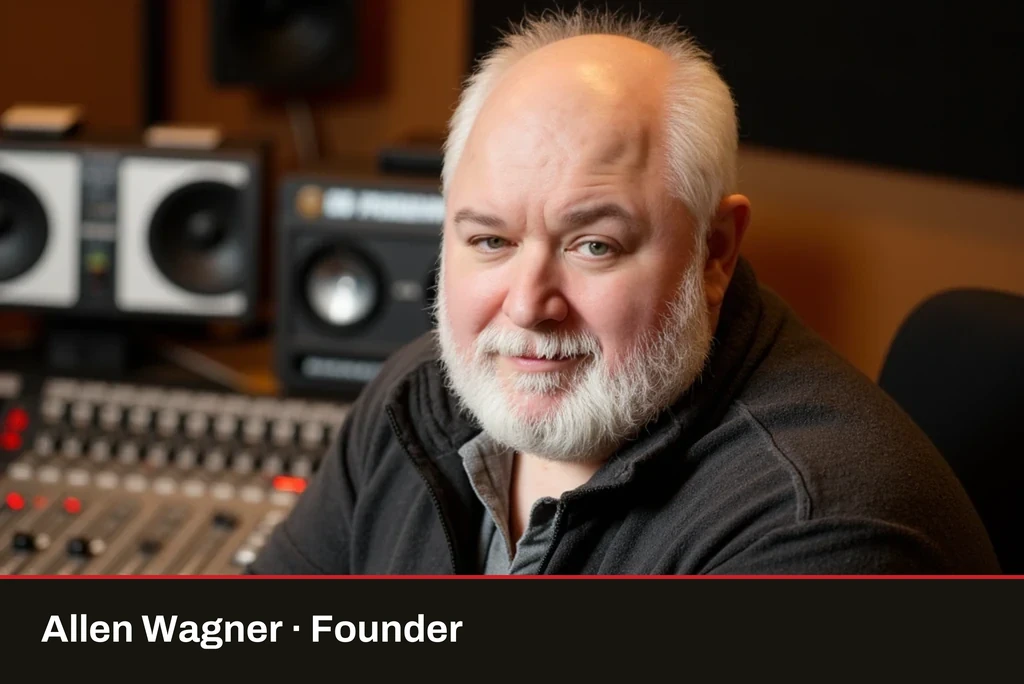
“I'd love to learn about you and your business.”
Ten minutes, and it's mostly me asking what you do, where you do it, and what you've already tried. No pitch deck, no discovery fee, no sales pressure.
Send the form on the rightbelow and I'll set up a call. If we're not a fit I'll tell you right up front and do my best to point you in the right direction.
Call me instead (360) 467-6957