
Vancouver, Washington
Neighborhoods in Vancouver, WA
All 71 Vancouver neighborhoods, plus the eleven unincorporated Clark County areas that share the city's mailing address and aren't in it.
Every neighborhood, both sides of the line
Vancouver is two places with one mailing address.
The city has 71 recognized neighborhood associations. The county runs a separate program for the unincorporated areas around it. Nearly everybody in that second group has a Vancouver mailing address, pays attention to Vancouver news, shops in Vancouver and hires Vancouver businesses. None of them live in Vancouver.
That split is the single most useful thing to understand about this market, and it’s why a list of five suburbs would leave most of your customers off it. If you serve “Vancouver,” a large part of who you actually serve is on the county’s list, not the city’s.
Both lists are below, taken from the city and the county directly rather than from anybody’s marketing page.
Inside the city limits
The 71 neighborhoods of Vancouver, WA.
Vancouver has recognized neighborhood associations since 1975, and the growth curve tells the story better than any population figure. There were 14 of them in 1990. There are 71 now. The city didn’t get five times more neighborly. It filled in, annexed, and kept building east.
Nine of the 71 are currently inactive as associations, which changes nothing about the neighborhoods themselves. People still say they live in Hearthwood.
- Airport Green
- Arnada
- Bagley Downs
- Bella Vista
- Bennington
- Burnt Bridge Creek
- Burton Ridge
- Burton Evergreen
- Carter Park
- Cascade Highlands
- Cascade Southeast
- Central Park
- Cimarron
- Columbia River
- Columbia Way
- Countryside Woods
- DuBois Park
- East Mill Plain
- Edgewood Park
- Ellsworth Springs
- Emerald Landing
- Esther Short
- Evergreen Highlands
- Evergreen Shores
- Fairway-164th Ave.
- Father Blanchet Park
- Fircrest
- First Place
- Fisher’s Creek
- Fisher’s Landing East
- Forest Ridge
- Fourth Plain Village
- Fruit Valley
- Green Meadows
- Harney Heights
- Hearthwood
- Hough
- Hudson’s Bay
- Image
- Kevanna Park
- Landover-Sharmel
- Lewis & Clark Woods
- Lincoln
- Maplewood
- Marrion
- Meadow Homes
- Mountain View
- North Garrison Heights
- North Hearthwood
- North Image
- Northcrest
- Northfield
- Northwest
- Northwood
- Oakbrook
- Ogden
- Old Evergreen Highway
- Parkside
- Parkway East
- Riveridge
- Riverview
- Rose Village
- Shumway
- Southcliff
- Vancouver Heights
- Vancouver Mall
- Village at Fisher’s Landing
- Walnut Grove
- West Minnehaha
- Wildwood
- Woodland Meadows
Source: the city’s own neighborhood directory, which is also where you’ll find your neighborhood liaison and your neighborhood police officer.
Outside the city limits
The eleven that say Vancouver and aren’t.
Clark County runs its own neighborhood association program for the unincorporated areas, and that’s the cleanest proof of the split there is. The county wouldn’t need a separate program if these places were part of the city. They aren’t, and the people living in them mostly don’t think about it.
Hazel Dell, Salmon Creek, Orchards, Five Corners and Felida are the ones a local will name without thinking. If you’ve been doing business here for a while, you already know your customer list is full of them.
- Andresen
- Brush Prairie
- East Fork
- Felida
- Five Corners
- Hazel Dell
- Meadow Glade
- Minnehaha
- North Fork
- Orchards
- Salmon Creek
This list is shorter than the county’s on purpose. The Clark County directory carries 25 associations, but it names them administratively and a lot of those names never get said out loud. It splits Hazel Dell in two and calls Brush Prairie “Greater Brush Prairie,” which nobody here does. Meanwhile Orchards and Five Corners aren’t on it at all.
So these are the eleven a person in Clark County would actually use, under the names they’d use. A list you can read off to somebody is worth more than a complete one you can’t.
What to do with a list like this
These names are searches nobody is competing for.
The searches worth having aren’t always the big ones. “House cleaner Vancouver WA” is contested by everybody in the county with a website. “House cleaner Salmon Creek” is contested by almost nobody, and the person typing it is closer to hiring, because they’ve already decided where they want somebody who knows the area.
That’s not a trick and it isn’t a volume play. It’s a straightforward consequence of how people describe where they live. A business that names the places it actually works gets found by the people in them. A business that only ever says “Vancouver” is competing at the hardest level of the market and invisible at the easiest.
One trap to know about
Maplewood, Sunnyside and Northwest are neighborhood names in Portland and in Vancouver. So is a fair amount else, once you start looking. It’s the same disambiguation problem as the city name itself, one level down, and it has the same fix: say which side of the river you mean, every time, in the same places you already say WA.
Which of these belong on your site, and which don’t
Google limits how many service areas a business profile can list, so this is a shortlist whether you want it to be one or not. That constraint is useful. It forces the question most local businesses avoid, which is where they actually make money rather than where they’d take a job if it called.
The way we pick is boring and it works. Start with where your last hundred jobs came from, not where you’d like them to come from. Most owners are surprised by this list, and the surprise is usually two or three areas doing far more work than anybody noticed and one that has quietly gone dead.
Then cut anything you can’t reach profitably. A job in Chelatchie Prairie and a job in Hough aren’t the same job, even at the same price, because one of them is most of an afternoon in the truck. Drive time is the cost that never shows up on the invoice and always shows up in the year.
What’s left is the shortlist, and it should be uncomfortable to look at. If naming your service areas didn’t require leaving somewhere off, you haven’t chosen anything.
What we’d actually do with it
Not build 96 pages. A page per neighborhood, each one 200 words of the same sentence with the name swapped, is a thin-content problem wearing a local hat, and it reads to a person exactly the way it reads to Google.
What works is naming the areas you genuinely serve in the places that carry weight, on service pages that were worth reading anyway, and letting the ones you don’t serve go. That’s slower and it holds.
Where to go next
The market this list describes.
How search actually behaves in Vancouver covers the rest of it: why Google can’t reliably tell this Vancouver from the one in British Columbia, why a radius drawn here loses its southern half to a river and a state line, and which way the traffic across the bridge really runs.
The wider service area is here, on both sides, along with what changes at the water in licensing and in tax.
Which of these names is worth naming depends on what you do. The twenty trades and practices we write pages for are here.
Book a call
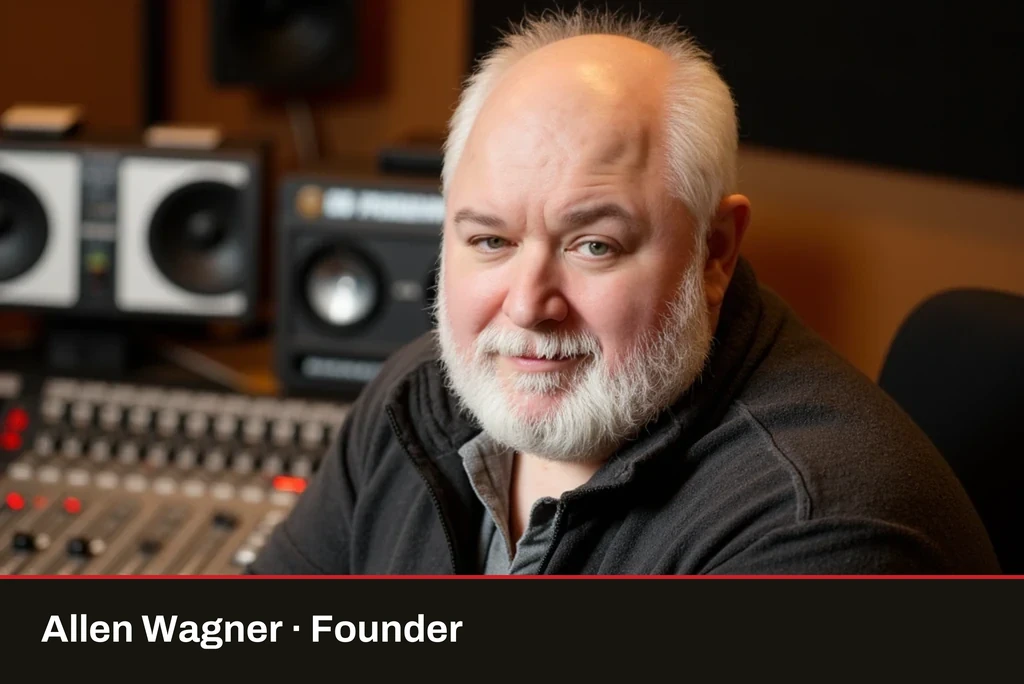
“I'd love to learn about you and your business.”
Ten minutes, and it's mostly me asking what you do, where you do it, and what you've already tried. No pitch deck, no discovery fee, no sales pressure.
Send the form on the rightbelow and I'll set up a call. If we're not a fit I'll tell you right up front and do my best to point you in the right direction.
Call me instead (360) 467-6957