
Step three of three
Get Booked
Most of the money is sitting with people who already called you once. This is the part almost nobody does.
The part almost nobody does
You already know these three people.
Back in March
Called, got a price, said they’d think about it. Never called back.
Eleven at night
Filled in your form. You called at nine the next morning, got voicemail, and that was that.
Two years ago
You did the work, they were perfectly happy, and they haven’t thought about you since.
All three of them are already in your contacts, cost nothing to reach out to, and almost nobody does it. That’s why this is the third part of the loop we build, and the one that surprises people.
The reason it gets skipped is simple. Follow-up is a memory problem, and memory is the first thing that goes when you’re busy. In a month where you do have the time to chase people, there’s nobody to chase. In a month where there’s a list as long as your arm, you’re on a roof or in a hearing.
The window is much shorter than it feels
Somebody who’s just had water come through their ceiling is making a decision today. Someone who was just served papers is desperate to talk to an attorney right now.
If your reply reaches them tomorrow morning, they’ve already hired somebody, and the quality of your reply is irrelevant. Most of the value in follow-up isn’t in what it says. It’s in when it arrives, and a system that answers in ninety seconds beats a better-written answer that arrives the next day, every time.
And the people who didn’t book aren’t gone
They didn’t choose your competitor because they preferred them. Usually they got busy, or the money moved, or the water pipe stopped leaking for two weeks. Nothing about them has changed except that they now know who you are, which makes them less expensive to reach than any stranger you could advertise to.
What we do about it
Three services that run without you.
Target Lock
Retargeting. Your name shows up again, on other websites, in front of the people who already visited yours and didn’t call. They’re the least expensive audience you’ll ever reach, because you’ve already paid to get their attention once.
What it doesSignal Corps
Follow-up answers by text, fast enough to matter. Somebody gets in touch at eleven at night and gets a real reply in seconds rather than a voicemail in the morning, and the reply comes from your business whether you’re awake or not.
What it doesRecall
Email and reactivation, back through the customers you already have. Not a newsletter, a reason to call you, sent to people who have already paid you once and know exactly what it’s like to deal with you.
What it doesText and email work is quoted rather than listed at a fixed price, because what it costs depends entirely on how many people you’re reaching and how often. A list of four hundred past customers and a list of nine thousand aren’t the same job.
The arithmetic, in numbers you can check
Say you quoted sixty jobs last year and won twenty. That’s not a bad rate. It also means forty people decided you were worth calling, went to the trouble of describing their problem to you, and then didn’t book, and in most businesses nobody ever contacts those forty again. Follow-up is where owners drop the ball worse than anywhere else, and that’s twenty-three years of watching it happen. Win three of them back and you’ve added a job a quarter without buying a single new message.
Now count the customers you’ve finished work for. If there are two hundred of them and one in twenty needs you again this year, that’s ten jobs sitting in a spreadsheet you already own. The point isn’t that these numbers are large. It’s that they cost you nothing to reach, which is what makes them the highest-margin work in the business, and it’s why we recommend this before we recommend spending more on ads.
Where this stops working
Follow-up amplifies whatever you already are. If the last four people you quoted found you expensive and slow, following up more persistently just gets you another “no” faster and by more people. And if there’s nobody in your history to follow up with: a genuinely new business, no past customers, no messages, there’s nothing here to run yet. Start at the front of the loop and come back.
One thing to know before anybody sells you text messages.
Sending marketing texts isn’t like sending an email. There are federal rules about consent, about what hours you may send in, and about how somebody opts out. The FCC publishes the whole thing in plain language, and its section on texts is worth the four minutes before you let anybody send on your behalf. Done properly this is unremarkable. Done carelessly it’s the kind of thing that produces a letter from a lawyer, and the letter arrives at your business, not at your agency.
Your website has to be set up for it before you can send at all
This is the part that surprises people, and it’s the reason texting campaigns get rejected before they ever run. Before the carriers will approve a business to send at any volume, they look at your website. They want to see a privacy policy that says plainly what happens to a phone number and that it isn’t sold or handed on, terms that spell out message frequency and how somebody stops, and sign-up wording that matches what you’re actually going to send.
If those aren’t there, the registration is refused. Not delayed, refused, and you find out weeks after you thought you’d bought a texting service.
We handle that as part of the work. If we built your site it’s already there, and if we didn’t we add it, because there’s no point selling you texting that carriers won’t let you send.
If somebody offers to blast your list this week and doesn’t mention any of this, that tells you something useful about them.
Why this is the part that pays for the rest.
Getting found costs money every month.
Getting chosen takes time to build.
This part costs the least and returns the fastest, because the people it reaches already know who you are, and have already told you they were interested.
It’s also the part that smooths out the year. The reason your schedule swings is that you plant nothing in the months you’re busy, and this is the only piece of the loop that keeps planting while you work, because it doesn’t need you to remember anything.
Book a call
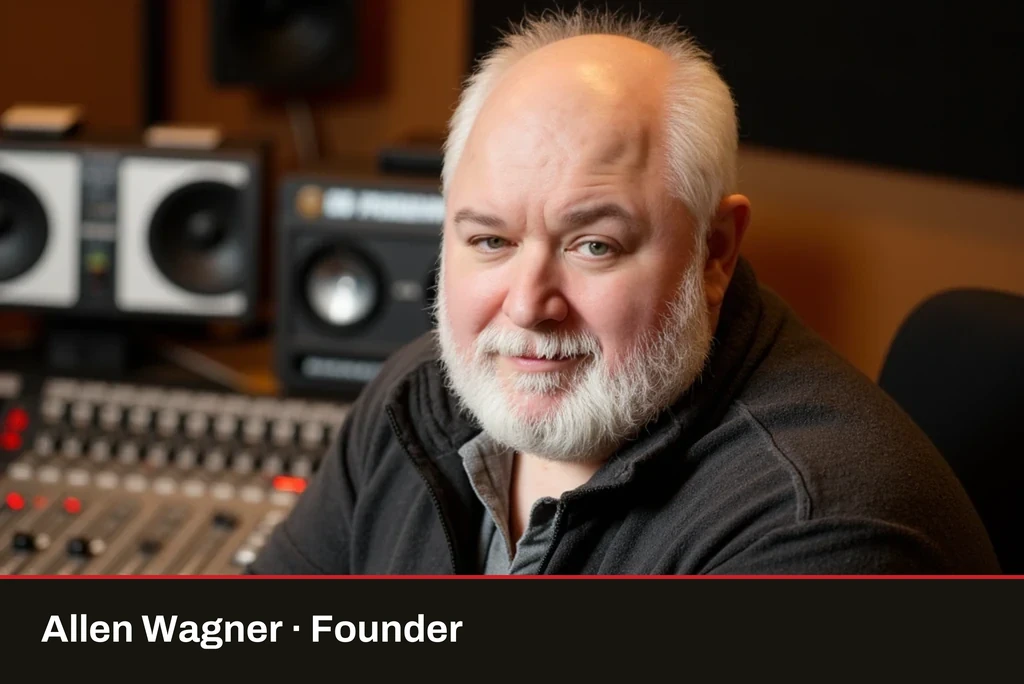
“I'd love to learn about you and your business.”
Ten minutes, and it's mostly me asking what you do, where you do it, and what you've already tried. No pitch deck, no discovery fee, no sales pressure.
Send the form on the rightbelow and I'll set up a call. If we're not a fit I'll tell you right up front and do my best to point you in the right direction.
Call me instead (360) 467-6957