
Get Found
Hired Gun
The only thing here that can fill a hole in next month's schedule. It works while you pay for it and stops when you stop.
What this is for
Everything else here compounds. Ads don’t, and that’s the point.
We call this one Hired Gun, because that’s honestly what paid advertising is. It fights for you for exactly as long as you’re paying it and not one day longer.
They put you at the top of the page the week you start, they produce calls while the money is running, and they stop the day it stops. That’s not a criticism of them, it’s what they’re for, and it makes them the right answer to exactly one question: what do I do about the fact that April is half empty?
They’re the fast half of getting in front of people. The slow half builds something you keep. Most businesses want both, and want them in the reverse order of urgency, the ads pay this month’s bills while the search work builds the thing that eventually means you need fewer ads.
Two places, two different jobs
Search ads
They reach somebody who has already decided they need the work and is looking for someone to do it. Intent is high, competition is high, and clicks cost accordingly. This is where the emergency work lives.
Social ads
They reach somebody who wasn’t looking for you at all. Less expensive to reach, much colder, and better suited to work people put off rather than work that went wrong an hour ago: the remodel, the estate plan, the replacement they’ve been meaning to schedule, anything where the customer is choosing when rather than reacting.
Getting that distinction wrong is the most common way money disappears here. A roofer whose work is mostly storm damage doesn’t want social ads. A firm that handles estate planning very much does.
What it costs
Quoted, and there’s a reason.
This one has to be quoted, and the reason is specific to ads. The honest number depends on two things we can’t know before speaking to you: what a click costs in your line of work, and how much of the market you want.
The spread isn’t small. A landscaper and a personal injury firm aren’t in the same business when it comes to what an ad costs, the second can pay more for one click than the first pays for ten, because the job it leads to is worth a hundred times more. Publishing a single figure would be a fake number, and this site doesn’t carry those.
What we can tell you is the shape of it. There’s our fee for running them, and there’s what you spend on the ads themselves. Those are separate, and your ad spend goes to the platform, never through us. Anybody who quotes you one blended figure is hiding which half is which, and the half they’re hiding is usually theirs.
What running them actually involves
The difference between an account that works and one that quietly wastes money is mostly subtraction. Turning off the searches that look relevant and aren’t: people looking for a job rather than a service, people researching how to do it themselves, people three states away. Left alone, an ad account spends a surprising share of its budget on those, and nobody notices because the totals still look fine.
The rest is knowing what to leave alone. Accounts get worse when they’re changed constantly, because every change resets what the system has learned, and an agency that wants to look busy in a monthly report has every reason to keep changing things. Most weeks the right action is none.
Start smaller than you want to
The instinct with ads is to find out whether they work by spending enough for the answer to be obvious. That gets expensive before it gets informative. Start at a level where a month of failure is survivable, and raise it only when it has earned the raise. Anybody encouraging a large opening budget is managing their revenue, not your risk.
How a call gets counted
This is the part that decides whether you ever find out if ads worked. Clicks are what you pay for, not what you want, and an account measured on clicks will happily buy more of them forever. What gets measured here is calls and contact requests that came from an ad, separated from the ones that would have arrived anyway.
Calls from an ad are tracked with a number that only appears in the ads. It rings your real phone and you answer it normally, and because nothing else uses that number, a call to it can only have come from one place. Your own number stays on your website and your listing, where changing it would do damage.
Form fills and clicks-to-call are recorded the same way, in your account rather than in a report we assemble. You can open it on your phone on a Sunday without asking anybody, which is the same arrangement as everything else here.
Set up before the first ad runs, not after. An account that has been running three months without it can’t tell you which half of the money worked, and no amount of later analysis recovers that.
What happens in the first month?
Week one
A build, not a document. The account goes up in your name, the searches worth bidding on get grouped so their budgets don’t compete with each other, and the obvious waste is excluded before a dollar is spent: people looking for a job rather than a service, people wanting to do it themselves, people outside the area you actually serve.
Weeks two to four
Subtraction. The search terms report shows what people really typed, which is never quite what anybody predicted, and the useless ones get turned off as they appear. This is where most of the improvement comes from, and it’s unglamorous enough that plenty of agencies skip it.
You’ll get calls in week one and you won’t know anything useful until week eight. Those are different things and they get confused constantly. Early calls are encouraging and prove nothing; the shape of eight weeks is what tells you whether this channel works in your market.
Before you let anyone run these
Whose ad account is it?
Ask this before anything is set up, not when you want to leave. If the account belongs to the agency, then the history, the data and everything the account has learned about which ads work belong to them too, and leaving means starting from zero while a competitor starts from years of learning.
The account should be yours. We build it in your name, you keep it, and if you go elsewhere it goes with you. That costs us the main thing that keeps unhappy clients from leaving, which is precisely why we’ll tell you to insist on it whoever you end up using.
How you’ll know it’s working.
The same way as everything else here. How many people called you, and how many got in touch through your website, with junk excluded from both.
Ads are the easiest thing in this entire industry to report impressively and honestly at the same time while producing nothing. Everything about them is countable: how many times they showed, how many people clicked, what each click cost, and every one of those numbers can improve in a month where your phone didn’t ring once. We don’t report any of them.
What we’ll tell you is when to stop. Ads that aren’t producing calls should be turned off rather than tinkered with indefinitely, and an agency paid a percentage of your spend has an obvious reason never to say so. We’re not paid that way.
Frequently Asked Questions
The things worth asking before you buy.
How much should I budget for ads?
Enough to buy roughly ten clicks a day, and what that costs depends entirely on your trade. A click in a quiet local category is a couple of dollars. In legal, insurance and emergency home services it can be twenty or fifty. Same ten clicks, wildly different bill.
That's why this one is quoted rather than priced. Anybody who gives you a budget before asking what you do is guessing.
Read more on this topic: what to budget for Google Ads
Is five hundred a month enough?
It can be, if you're one service in one small area and clicks are cheap. It isn't if you're in a contested category, because the budget empties in days and the platform never gets enough data to learn what a good click looks like.
The honest failure mode is spending just enough to get nothing. A budget too small to buy consistent clicks doesn't produce a small result, it produces no result and a bill.
What do you charge on top of the ad spend?
A management fee, quoted, and separate from what you pay the platform. Ask any agency to split those two numbers out. Some quote you one figure and take a percentage of everything you spend, which quietly rewards them for spending more of your money.
How fast do ads work?
The phone can ring the same week, and that's the whole reason to run them. Search work takes months to mature. Ads buy the top of the page this week. They're the short game running alongside the long one, not a replacement for it.
What happens when I stop paying?
It stops that day. Completely. That's not a criticism of ads, it's what they are. You're renting the top of the page. The moment the card stops, so does the position, which is exactly the opposite of the search work.
Read more on this topic: what happens when the ads stop
Why are clicks so expensive in my trade?
Because a customer is worth a lot and your competitors know it. It's an auction. In categories where one job is worth thousands, businesses will bid what one job is worth. Add that AI answers and map results have pushed the ordinary results further down the page, and more businesses are buying their way up.
Can't I just run them myself?
Setting up a campaign is easy. Running one profitably isn't, and Google's defaults are the reason. Accepting the recommended setup, leaving broad matching on with no negative keywords, and sending paid clicks to a slow page are the three ways most of that money disappears.
If you've got the hours to learn it and watch it weekly, do it. Plenty of owners should.
Read more on this topic: When you shouldn't be paying anybody for this
How do I know the clicks are real customers?
By counting calls, not clicks. Clicks, impressions and positions all improve without a single extra person calling you. That's why we report one number you can check yourself, and why we exclude spam and sales calls from it.
Read more on this topic: How you'll know it's working
Should I do ads or search work first?
Usually neither, and that surprises people. Spending on ads before your reviews are respectable is paying full price for attention that goes to a business people then decline to hire.
Read more on this topic: The order that costs you least
Book a call
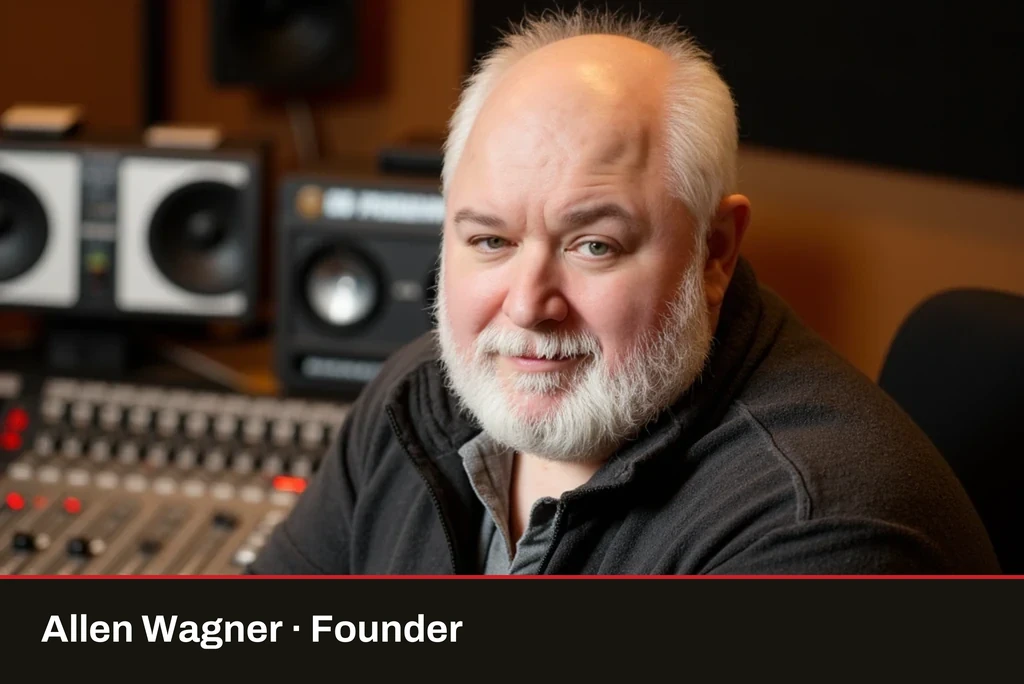
“I'd love to learn about you and your business.”
Ten minutes, and it's mostly me asking what you do, where you do it, and what you've already tried. No pitch deck, no discovery fee, no sales pressure.
Send the form on the rightbelow and I'll set up a call. If we're not a fit I'll tell you right up front and do my best to point you in the right direction.
Call me instead (360) 467-6957