
Step two of three
Get Chosen
Being found isn't the job. They're looking at three of you.
This is the part that decides who gets the work.
Where the job is won or lost
By the time they’re looking at you, they’re looking at two other people too.
Nobody finds one business and hires it. They find three, and then they spend a minute or two deciding between them. That short window is where the job is actually won or lost, and almost nothing anybody sells you is aimed at it. Getting found puts you in the running. This is the part that decides the race, and it comes after the work that gets you in front of them for a reason.
What they do in that window is predictable. It happens in roughly this order:
- They look at your star rating, and how many reviews it’s built on.
- They read two or three of those reviews, usually including the worst one.
- They glance at your website for about ten seconds, to see whether you look like a real business.
- Then they call one of the three. Whoever picks up has an enormous advantage over the two who don’t.

The rating is a filter before it’s a persuader
Below about four stars, most people simply stop considering you, and no amount of explanation will change their mind. Sixty-eight percent say they will only use a business rated four or higher, up from fifty-five percent a year earlier (Local Consumer Review Survey 2026, BrightLocal, 1,002 US adults).
Above it, the number of reviews starts mattering more than the rating itself, a 4.9 built on eleven reviews looks thinner than a 4.7 built on three hundred, because one of those looks like a business and the other looks like a bunch of reviews from friends of the family. Reviews are also the only thing on this list a competitor can’t copy from you, because they have to be earned one job at a time.
The website has ten seconds and one job
It’s not there to impress anybody. It’s there to answer, fast, whether you do this work, whether you do it near them, and whether you’re a real operation. We look at a lot of these. Most local business websites fail on the third one, not because they’re ugly but because there’s nothing on them: five thin pages, no detail, nothing a careful person could check.
And then somebody has to answer the phone
This is the one that costs the most money and gets the least attention. A caller who reaches voicemail almost never leaves one. We’ve measured it: call tracking on client lines, and recordings where the work called for them. Nine times out of ten, voicemail is a hang-up click. They call the next name on their list, and you’ll never know they existed, which is what makes it so easy to ignore. There’s no report anywhere that shows you the jobs you lost this way.
What we do about it
Three services, one for each check.
Review Patrol
Review management, and where nearly everybody starts. We recommend it even to businesses that hire us for nothing else. It costs less than any other service we provide, and it moves the thing that filters you in or out before anybody reads a word.
What it doesAuthority Websites
A fifty-page High Performance Authority Site rather than five pages, so that the careful buyer who wants to check you out has something to find, and so does the machine that’s increasingly answering on their behalf. Almost every decision on it came out of testing rather than taste.
What it doesAI Phone Answering
The call gets answered whether or not you’re up a ladder, in a hearing, or asleep. It’s open 24/7, it takes the details and tells you immediately, and it’s inbound only: it answers your phone, it never makes calls on your behalf.
What it doesWhen this isn’t your problem
If almost nobody is finding you in the first place, polishing what they see when they do is premature. Ten people a month who all choose you is still ten people a month. Start with getting found, come back to this, and we’ll say so on the call rather than sell you the thing you asked for.
Worth knowing before you buy this from anybody
Reviews are regulated now, and we’ve yet to meet a business that was told about it by whoever was handling their reviews.
Since 2024 there has been a federal rule covering consumer reviews and testimonials: what can be published, what can’t, and what counts as misrepresenting them. It’s not obscure and it’s not aimed at large companies only. It covers fake reviews, bought reviews, reviews written by people connected to the business, and how negative ones are handled.
You don’t need to read it. You do need to know it exists, because it’s the thing that turns a cheap review service into a liability that lands on your business rather than on the agency that sold it to you. The rule itself is published in full by the Federal Trade Commission, in plain question-and-answer form.
Ask anybody you’re considering, including us, what they do to keep you on the right side of it.
What changes when this part is right.
Nothing about the number of people finding you changes. What changes is the share of them that end up on your calendar instead of somebody else’s, and that’s why this part is usually worth more per dollar than anything else we do.
You’re not buying more attention.
You’re stopping the leak in the attention you’ve already paid for.
It’s also the part that compounds. A rating built over two years can’t be bought by the business that opens next spring, a fifty-page website keeps being found long after it was written, and a phone that always gets answered earns a reputation of its own in a town where nobody else answers theirs.
Book a call
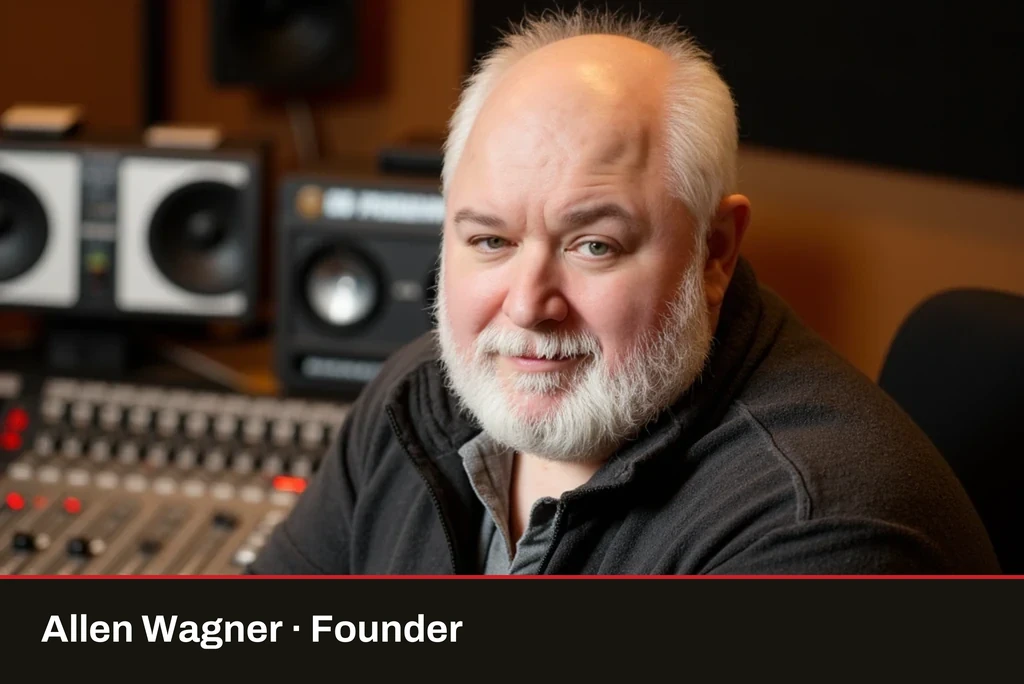
“I'd love to learn about you and your business.”
Ten minutes, and it's mostly me asking what you do, where you do it, and what you've already tried. No pitch deck, no discovery fee, no sales pressure.
Send the form on the rightbelow and I'll set up a call. If we're not a fit I'll tell you right up front and do my best to point you in the right direction.
Call me instead (360) 467-6957