
Get Booked
Recall
Going back to the customers you already have and giving them a reason to book again.
The people you already earned
You already paid to get these customers once. Most businesses never go back for them.
Email and reactivation means going back to the customers you already have and giving them a reason to book again. We call it Recall, because that’s the shape of it: the people already on your roster, called back.
Every other service here costs money to put a stranger in front of you. This one starts with people who have already hired you, already paid you, and already know whether you did a good job. You’ll never reach anybody for less than that for as long as you’re in business.
And almost nobody does it. In our experience, the list of past customers is the single most valuable thing a local business owns and the thing it neglects most completely. It sits in an invoicing system, and once a job is closed, nobody speaks to that person again unless something breaks.
This isn’t a newsletter
Nobody wants your news
A monthly note about how the team is doing is a thing businesses send because they were told to have a mailing list, and it teaches people to ignore your name, which is worse than never writing at all.
What works is a reason to call you
Sent to somebody it actually applies to. The furnace you serviced two Octobers ago is due. The client whose matter closed last year has a related one they haven’t dealt with. The customer who called for a quote and never booked is still living with the problem.
Timing is most of it
The same message is worth a lot or nothing at all depending on when it lands. A reminder about gutters in September is a service. The identical words in February are junk. The same rule decides when a note about reviewing a will is welcome and when it’s noise. Most of the value here is knowing what to send and when, which comes from your trade and your own history rather than from anything clever.
For a lot of businesses this ends up seasonal and predictable, which is the best kind of work to have. You know roughly what October produces, and you can plan around it.
The version you reach for when next week looks empty
Most owners meet this idea as a slow week rather than as a marketing plan. There’s a gap in next week’s schedule, the phone hasn’t rung the way it did last month, and the honest question is what to do about it by Friday, not by next quarter.
The answer is smaller than it sounds. Pull up the customer list, find the ten people who haven’t been back in a while and should have been, and tell them you’ve got room this week. That’s the whole play. No campaign, no sequence, nothing to learn. It works because it’s true and because it’s specific, and it fills slots that were going to sit empty.
Recall is that, done properly and done on a schedule, so it isn’t only happening in the weeks you’re worried about. A slow month is the reason most people start. The reason they keep going is that it stops the slow month arriving.
What you get
Three groups, and they need different things.
The list isn’t one audience. Treating it as one is why most attempts at this produce nothing.
Customers who bought and were happy
The easiest work you’ll ever book. They need reminding you exist and a reason that fits where they happen to be now, which is usually the calendar. This group also produces the reviews and the referrals, so what goes to them is written to be worth forwarding.
People who asked and never booked
The most overlooked group in any local business. They called or filled in a form, got a price, and went quiet. Most owners write them off as lost. A fair number of them simply didn’t get to it, chose somebody who then let them down, or were waiting on money that has since arrived.
Going back to that group months later costs you almost nothing and it’s the closest thing to found money in this whole trade. It’s also the group most likely to still have your competitor’s poor work fresh in mind.
Customers who went quiet
Somebody who used you twice a year and then stopped. Usually nothing happened. They moved, or they lost your number, or somebody else got to them first. A short, plain note asking whether they still need this gets a response often enough to be worth sending, and occasionally tells you something about your business you’d rather have known earlier.
What you need before any of this works
A list. Names, and a way to reach them. If you have been in business twenty years and never kept one, that’s the real first job, and it isn’t a big one: it starts with capturing details properly from today forward and pulling what’s already sitting in your invoicing.
We’ll tell you honestly what’s there before you buy anything. A list of forty people isn’t worth building a program around, and we’d rather say that than take the money.
What it costs
Quoted, because it depends on how many you have.
The cost follows the size of your list and how often you go back to it. A few hundred past customers contacted twice a year is a small piece of work. Several thousand, sorted into groups and worked properly, is a different job.
Recall
We look at what you actually have before quoting. If the list is too small to earn its keep, we’ll say so and you’ll have lost nothing but a conversation.
When this isn’t worth buying
When there’s no list and no way to build one quickly. Nothing here works without people to write to. Start by capturing details properly, come back in a year, and you’ll have something worth working.
When you sell something people buy once in a lifetime. Some trades genuinely have no repeat business worth chasing. In those the referral is the whole opportunity, and that’s a different conversation, usually about reviews rather than email.
When the reason people stopped calling is the work. Going back to unhappy customers with an offer makes things worse, not better. If you’re not sure which you have, the reviews will tell you, and that’s the thing to fix first.
The expensive part was paid for years ago.
Work starts coming back from people you already know, at a cost per job that nothing else here can match, because the expensive part of getting them was paid for years ago.
For most businesses this is the quietest service on the list and the one with the best math. It doesn’t make you easier to find and it doesn’t make you look better to a stranger. It goes and collects what you already built and left sitting there.
You’ll see it where you see everything else: in how many people called you, and how many got in touch through your website.
Frequently Asked Questions
The things worth asking before you buy.
Isn't this just a newsletter?
No, and a newsletter is the version that fails. Nobody wants your news. A monthly note about how the team is doing teaches people to ignore your name, which is worse than never writing at all.
What works is a reason to call you, sent to somebody it actually applies to. The furnace serviced two Octobers ago is due. The quote that never got booked is still a problem somebody is living with.
Read more on this topic: why this isn't a newsletter
What if I don't have a customer list?
You almost certainly do, it's just not in a form you think of as a list. It's in the invoicing system, the job history, the pile of past quotes. That's the asset. Getting it into one place is usually the first piece of work and it's the part that makes everything after it possible.
Read more on this topic: starting without a customer list
How often would you contact them?
Less than you'd expect, and tied to timing rather than a schedule. The same message is worth a lot or nothing depending on when it lands. A gutter reminder in September is a service. The identical words in February are junk.
Won't this annoy people?
Only if it's sent to everybody at once, which is the newsletter mistake again. A note to a customer whose service is genuinely due reads as somebody paying attention. The same note to your whole list reads as a mailshot, because that's what it is.
What do you need from me before this works?
The history, and honest answers about your trade's timing. What's due when, what follows what, what a good customer looks like a year on. That comes from you, not from anything clever, and it's most of what makes this work.
My list is a few years old. Is it still worth anything?
Usually yes, and often more than a new one. These people already hired you, already paid you, and already know whether you did a good job. You'll never reach anybody for less than that for as long as you're in business.
How is this different from retargeting?
This reaches people you know by name. Retargeting reaches anonymous visitors with ads. Recall starts with your own roster. Target Lock starts with strangers who happened to visit.
Read more on this topic: The ads that follow website visitors
When is this not worth buying?
When there's genuinely nobody to go back to. A business under two years old with a short customer history has more to gain from being found than from being remembered.
Read more on this topic: When we'd tell you not to
We wrote somebody's will five years ago and never heard from them again. Is that list worth anything?
Usually more than the owner expects. This kind of work isn't repeat business on a schedule, so nothing ever prompts anybody to come back on their own.
What brings them back is an event. A marriage, a death, a sale, a child turning eighteen, a move to another state. Those arrive on their own timetable, and the person they arrive for has usually forgotten who drew up the document. A short, plain note that reaches them around then is the whole mechanism, and it doesn't have to sell anything.
Book a call
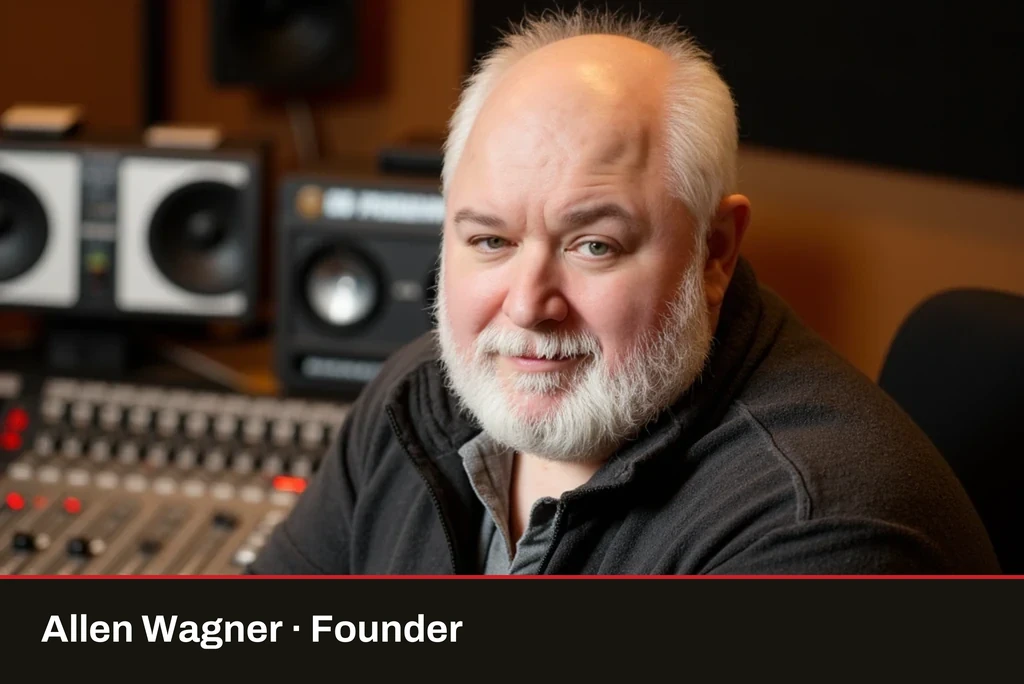
“I'd love to learn about you and your business.”
Ten minutes, and it's mostly me asking what you do, where you do it, and what you've already tried. No pitch deck, no discovery fee, no sales pressure.
Send the form on the rightbelow and I'll set up a call. If we're not a fit I'll tell you right up front and do my best to point you in the right direction.
Call me instead (360) 467-6957