
Get Booked
Signal Corps
An instant reply when somebody gets in touch, instead of a voicemail the next morning.
The gap nobody sees
Somebody got in touch at eleven at night. What happened next decided whether you got the job.
Text follow-up means an instant reply the moment somebody gets in touch, and then a short run of messages that keeps going until they answer or tell you to stop. We call it Signal Corps, after the part of an army whose entire job is making sure messages get through.
Here’s the thing it fixes. A form gets filled in at eleven at night, or a text comes in on a Saturday. You see it Monday morning, you call, and you get voicemail, because by then they’ve moved on. Nobody did anything wrong. The person just needed an answer at eleven at night and the business was asleep.
That person had already chosen you. They found you, they read enough to decide, and they went to the trouble of typing their details in. Losing them at that point is the most expensive kind of loss there is, because every penny of the work that produced them has already been spent.
A reply isn’t the same as a sales pitch
What goes out first is short, human, and about them. It confirms you got their message, tells them when a person will get back to them, and asks the one question you’d have asked on the phone anyway. That’s it. It reads like somebody typed it, because somebody wrote it, once, for exactly this situation.
What it isn’t is an offer. In twenty-three years the fastest way we’ve seen to make somebody regret contacting a business is to answer their question with a promotion.
Then it keeps going, politely, until it stops
Most people don’t reply to the first message. Not because they’ve lost interest, because they were driving, or at work, or holding a baby. A second message a day later and a third a few days after that catches a large share of them, and each one is easier to send than a phone call you have to remember to make.
It stops when they answer, when they book, or when they say they’re not interested. It also stops on its own after a handful of tries, because a business that won’t take silence for an answer has told you something about itself.
What you get
Nothing sits unanswered overnight.
Every way somebody can reach you gets covered, and each one gets an answer in seconds rather than in the morning.
Your website form
Answered the moment it’s submitted, at any hour.
A text to your business number
Answered the same way.
A missed call
Which gets a text instead of nothing, so the person who couldn’t get through has a way back to you.
A follow-up run
For anybody who doesn’t reply, spaced out over a few days rather than fired off in an afternoon.
How this differs from the phone service
They’re two halves of the same idea and they don’t overlap. First Response answers the phone when somebody calls. Signal Corps handles everything that arrives in writing, plus the calls that got missed anyway. Most businesses need both, and the ones that only need one usually know which.
The missed call piece is where they meet. A call that isn’t answered by anybody, human or otherwise, gets a text within seconds instead of dropping into a voicemail box. That matters because voicemail is a hang up around nine times out of ten, which we know from our own call tracking and from listening to a great many recorded calls over the years.
The consent question, which is different here
Replying to somebody who just contacted you isn’t the same thing as sending marketing texts, and the rules treat them differently for an obvious reason: one is a conversation the person started. That’s the ground this service stands on.
It still has to be set up correctly, and there’s a registration step with the carriers that catches businesses out badly if it’s skipped. We’ve written down what they require and why registrations get refused. If you also want to send campaigns to people who haven’t contacted you, that’s a different service with stricter rules, and we’ll tell you which one you’re actually asking for.
What it costs
Quoted, because it follows your volume.
The cost is set by how many people get in touch with you and how many messages that turns into. A business fielding thirty new contacts a month and one fielding six hundred aren’t buying the same thing, and pretending otherwise means one of them is paying for the other.
Signal Corps
Quoted against your actual numbers from the last few months, not an estimate of what we hope they become.
When this isn’t worth buying
When almost nobody is getting in touch yet
This closes a leak between somebody reaching out and somebody being answered. If four people a month reach out, the leak is small and the money belongs further up, on being found in the first place.
When you already answer everything within minutes
Some businesses genuinely do, usually the ones with somebody whose actual job is the phone. If that’s you, buying this is paying to automate something that already works.
When you won’t let it sound like you
The messages have to read like your business talks. If every word has to be approved before it can go out, the reply isn’t instant any more, and instant was the entire point.
The ones who reached out at a bad hour stop evaporating.
The people who reached out at an inconvenient hour stop evaporating. Nothing about how many people find you changes. This is entirely about what happens in the minutes after somebody decides to contact you, which is the point where the most expensive work you paid for either turns into a job or turns into nothing.
You’ll see it in the same two numbers as everything else here: how many people called you, and how many got in touch through your website and then actually reached somebody.
Frequently Asked Questions
The things worth asking before you buy.
Is it legal to text my customers?
Yes, and it's one of the most regulated things you can do in marketing. The rules aren't optional and they aren't obscure. Consent before you send, a working way to stop, your name on the message, and sending only during permitted hours.
Done properly it's straightforward. Done casually it's the kind of mistake that comes with per-message damages and a class action attached.
Read more on this topic: the rules on texting customers, in plain terms
Do I need permission before texting somebody?
Yes, and it has to be written, documented, and specifically about texts. A phone number on an invoice isn't permission. A pre-ticked box isn't permission. Buried wording inside general terms isn't permission.
It's why the contact form here carries a separate, unticked box for it, and why a number alone is never treated as consent.
Read more on this topic: How consent is captured here
What hours can I text?
Daytime in the recipient's own time zone, and some states are stricter than the federal rule. The window follows the person receiving the message, not you, which matters the moment you have customers outside your area. Where the rules differ, the tighter one governs.
What happens when somebody replies STOP?
They stop hearing from you, immediately and permanently. Honoring it isn't a courtesy, it's the law, and "the software didn't pick it up" isn't a defense. It's one of the things worth checking in any system anybody sells you.
What is 10DLC and do I need it?
It's the registration that lets a business send texts from an ordinary phone number at any volume. Carriers require it, and unregistered business traffic gets filtered rather than delivered, which looks exactly like nobody replying.
Registration wants a working website that matches the business doing the texting. Plenty of owners meet the texting rules and get stuck there.
Read more on this topic: Why the website matters for this
Is there anything I can't text about?
Yes. Carriers block whole categories regardless of consent. Alcohol, tobacco, firearms and a few others are filtered as a class. It catches legitimate businesses out, because it isn't about whether your customers agreed, it's about what the carrier will carry.
Won't people find it annoying?
They will if you use it like an email list. A text is a tap on the shoulder. It's the right tool for a reply to somebody who just got in touch, and the wrong tool for a monthly update nobody asked for.
That's what Signal Corps is for: answering fast when somebody reaches out, not broadcasting.
Read more on this topic: whether customers find texts annoying
How is this different from marketing texts?
One replies to somebody who contacted you. The other interrupts somebody who didn't. They sit under different rules and they feel completely different at the other end.
Why does this matter so much?
Because the alternative is a voicemail nobody hears until the next morning. By then they've usually called somebody else.
Read more on this topic: Why the reply speed decides it
Book a call
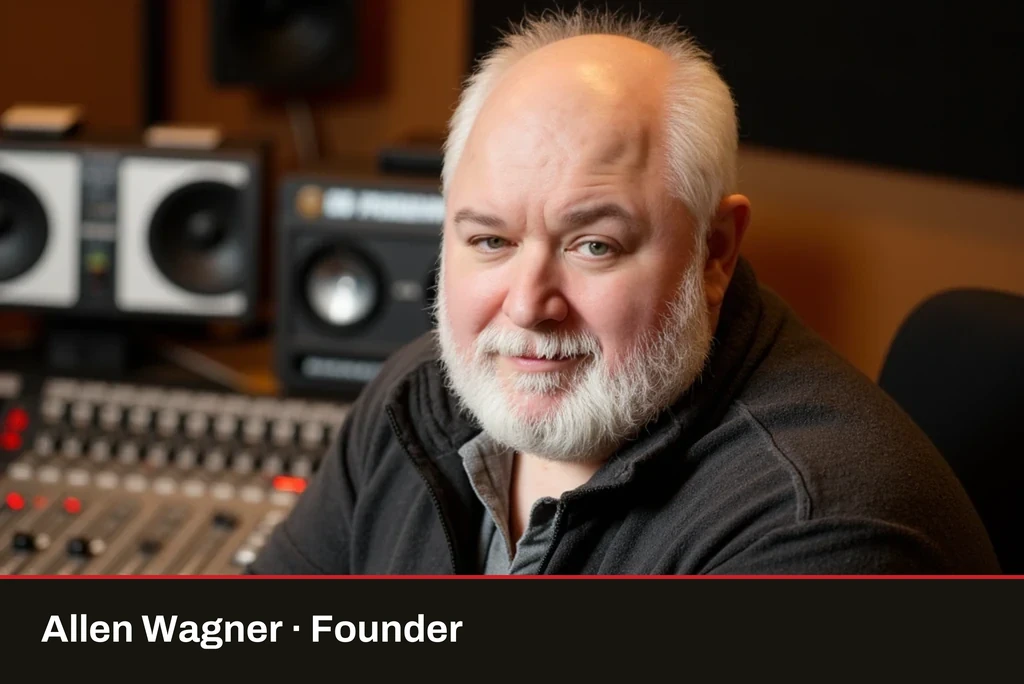
“I'd love to learn about you and your business.”
Ten minutes, and it's mostly me asking what you do, where you do it, and what you've already tried. No pitch deck, no discovery fee, no sales pressure.
Send the form on the rightbelow and I'll set up a call. If we're not a fit I'll tell you right up front and do my best to point you in the right direction.
Call me instead (360) 467-6957