
Get Found
Air Drop
Text, voicemail and mail sent out to your market,
rather than waiting for it to come looking.
The one that doesn’t wait
Everything else here waits to be found. This one goes out and knocks.
Direct outreach means text messages, recorded voicemails dropped straight into a mailbox, and physical mail sent out to your market, rather than sitting still and waiting for somebody to come looking. We call it Air Drop, because that’s what it is: your name landing in front of people who weren’t searching for you today.
It’s the odd one out on this site, and it’s worth saying why up front. Search work puts you where somebody is already looking for what you sell. That person has a problem right now and they want it solved. Air Drop reaches somebody who has no problem yet, or has one and hasn’t got around to it.
That difference decides everything about how this performs. Somebody searching for a roofer is close to hiring a roofer. Somebody who gets a postcard about roofs is mostly not thinking about roofs at all, and the same goes for the person who needs a will drawn up and hasn’t gotten around to admitting it. So the response is smaller, and it has to be, and anybody who tells you otherwise is selling.
Which is exactly why it’s the wrong thing to buy first
If people are searching for what you sell in your area and you aren’t showing up, that’s a less expensive problem and a warmer one. Fix that first. It costs less per job and the people are already leaning your way. We’d genuinely rather sell you the search work and have you never need this.
The time Air Drop earns its place is when the searching is already handled, or when there isn’t enough of it to fill your month. Some trades, some practice areas and some towns simply don’t generate enough searches to keep everybody busy. In those markets, waiting to be found has a ceiling, and this is how you get above it.
What it’s actually good at
Reaching a specific group of people on purpose, at a moment you choose rather than a moment they choose. That control is the whole product. A search campaign can’t decide that this is the week you need work. This can.
- A new service you’ve just added, that nobody knows to search for you about yet.
- A season you need to fill, ahead of it rather than during it.
- A neighborhood you’ve just worked in, while your truck is still a fresh memory on that street, or the parts of town your best clients already come from.
- A list you already own, of people who called once and never booked.
- A market too small to search its way to a full schedule.
What you get
Three ways out, and they don’t cost the same.
These get chosen by what you’re trying to do and who you’re trying to reach, not by which one is fashionable. Most of the time it’s one of them, not all three.
Text
The least expensive of the three to send and the one that gets read fastest. Most of what we do here is cold: reaching homeowners across your service area who have never dealt with you, worked from lists where the numbers are cleared for commercial contact. It’s the closest thing on this site to knocking on doors, except that it happens a few thousand doors at a time and nobody has to be home.
Two things decide whether it works, and neither one is clever. Who’s on the list, and what the message says. A text sent to the wrong five thousand people is money gone in an afternoon.
There’s also a setup step before a business can send at any volume at all, and it catches people out badly. We’ve written down what carriers require and why registrations get refused, because it’s the single most common way somebody buys texting and then discovers they can’t use it.

What the rules mean for you
Texting is the most regulated thing on this page, and the penalties land on the business whose name is on the message rather than on whoever sent it. There are federal rules about consent, about the hours you may send in, and about how somebody opts out. We work from lists cleared for commercial contact, we stop the moment somebody asks us to, and we keep the records that show it.
What we won’t tell you is that any of that makes you untouchable. This is one of the most actively litigated corners of marketing in the country, and anybody promising you certainty is doing the thing the rest of this site keeps warning you about. If that’s a risk you’d rather not carry, say so and the budget goes into mail or into search instead, where it doesn’t exist.

Voicemail
A recorded message placed into a voicemail box without the phone ringing. Nobody gets interrupted, and the message waits until they choose to listen. It works better than a text for anything that needs your actual voice behind it, which for a lot of trades is more than you’d expect.
It’s your voice, not a machine pretending to be one. We don’t do artificial voices making calls, and we won’t, whatever it ends up being legal to do.
The most expensive per person and the only one that sits on a kitchen counter for a week. Postage costs what it costs and there’s no getting around that, so mail is for when the job is worth enough to justify it. For a roof, a repipe, or a legal matter that runs into real money, one job from a whole mailing can pay for the mailing several times over.
It’s also the one with no consent rules and no carrier registration standing in front of it, which makes it the simplest of the three to start and the one with nothing to go wrong legally.

How you’ll know whether it worked
The same way you know everything else here. How many people called you, and how many got in touch through your website, in the weeks a drop was running against the weeks it wasn’t. Not how many were reached, which is a number we control and could make look like anything we wanted.
What it costs
Quoted, because the size is yours to choose.
This one is quoted, and the reason is arithmetic rather than evasion: the cost is almost entirely how many people you want to reach and by which of the three methods. Ten thousand postcards and a text to four hundred past customers aren’t the same purchase.
Air Drop
You get the reach and the cost separately, before anything goes out. If the math doesn’t work at the size you want, we’ll say so.
When this isn’t worth buying
When your search work isn’t done
Reaching strangers while people actively looking for you can’t find you is paying full price for cold attention while warm attention goes to a competitor. This is the most common way money gets wasted on outreach and it isn’t close.
When your phone doesn’t get answered
Everything here ends in somebody trying to reach you. If that ends in voicemail, you have paid to create a call that goes nowhere, which is worse than not making it. That gets fixed first, and it costs less.
When you can’t take the work
Outreach makes demand appear on a schedule you picked. If your calendar is already full, all you’re buying is people you’ll disappoint.
Work arrives in the weeks you chose.
Work starts arriving in the weeks you decided it should, rather than only in the weeks the market happened to want you. That’s the whole of it. For a business with a slow season, or one in a town too small to search its way full, that control is the difference between a schedule you fill and a schedule that fills itself when it feels like it.
It won’t replace being found, and it isn’t meant to. People looking for you right now will always be the least expensive work you ever get. This is for the months when there aren’t enough of them.
Frequently Asked Questions
The things worth asking before you buy.
Does direct mail actually still work?
Yes, and partly because so many businesses stopped doing it. The inbox is crowded and the mailbox isn't the way it used to be. A physical piece gets handled, which is more than most digital impressions manage.
It works best where the buying decision isn't immediate. Somebody choosing a roofer for the spring reads their mail. Somebody with a burst pipe doesn't.
Read more on this topic: whether direct mail still works
Isn't it just junk mail?
It is, if it's sent to everybody. That's the honest version. A piece dropped on every door in a zip code reaches renters, competitors and people who will never need you, and most of it goes in the trash on the way inside.
The difference is the list. Sent to a chosen list rather than a whole carrier route, the response is several times better, and it stops being junk because it turns up in front of somebody it applies to.
What's the difference between mailing everyone and mailing a list?
Roughly a fivefold difference in response, and it's the single biggest decision here. Blanket saturation is the cheapest way to send mail and the worst-performing. A targeted list costs more per piece and does far better. Your own past customers do better than either.
Which is why we'd usually rather send fewer pieces to the right people than more to everyone.
Read more on this topic: mailing everyone versus a chosen list
How many do I have to send?
More than feels natural, and it's a postal rule as much as a marketing one. Bulk and saturation programs carry minimum quantities per route, so "try a hundred" usually isn't an option the post office offers. We'll tell you the real floor for what you're doing before you commit to anything.
How often should this go out?
Repeatedly, and that's the part most owners get wrong. A single drop is the most common way to conclude that mail doesn't work. For work people plan rather than panic about, a handful of touches across a year is the shape that pays, spaced so you're in front of somebody near the time they start thinking about it.
How would I know it worked?
By counting calls, which means the piece has to make that countable. A dedicated number, a code, or a page that only exists on the mailer. Without one of those, mail is genuinely hard to measure and you're guessing, which is how people end up arguing about whether it works.
Read more on this topic: The one number we report
What about texting and voicemail rather than mail?
Same idea, tighter rules. Anything sent to a phone sits under regulations that printed mail doesn't, and consent is the part that matters. It's worth understanding before you buy it rather than after.
Read more on this topic: The rules on reaching people by text
What does it cost?
Quoted, because the size of the market you want to reach decides it. A list of two thousand and a list of forty thousand aren't the same job. Printing and postage are real per-piece costs on top of the work, and we'd rather show you the arithmetic than quote a monthly figure that hides it.
Read more on this topic: How the work gets priced
When is this the wrong thing to buy?
When you're not findable yet. Mail that sends somebody to look you up, who then finds nothing, or a listing with two reviews, has spent your money introducing you badly.
Read more on this topic: When we're not the right call
Book a call
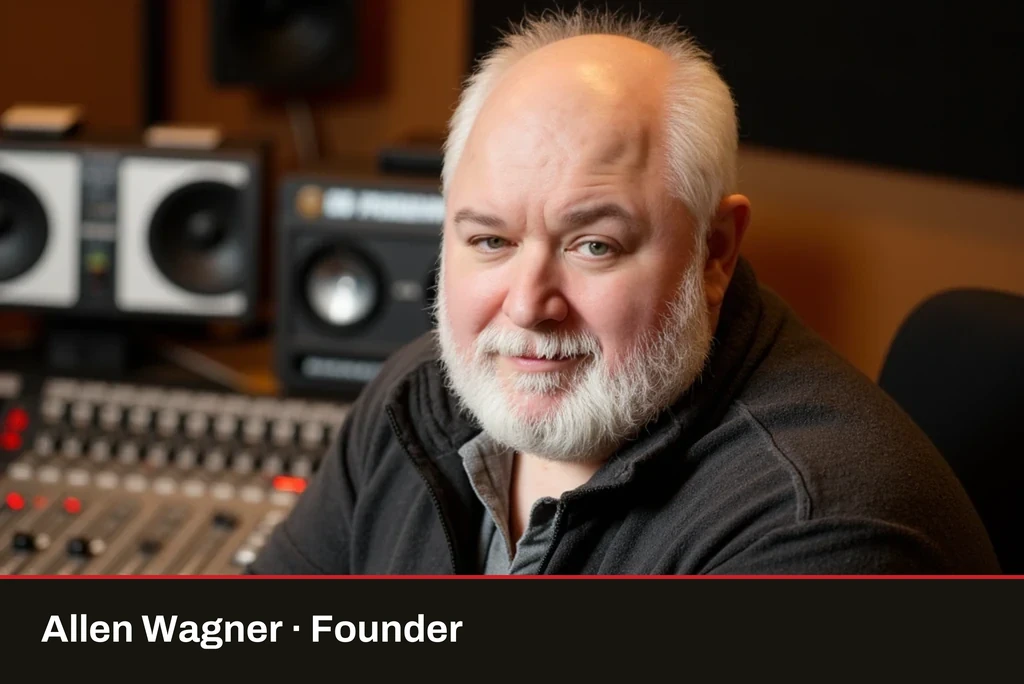
“I'd love to learn about you and your business.”
Ten minutes, and it's mostly me asking what you do, where you do it, and what you've already tried. No pitch deck, no discovery fee, no sales pressure.
Send the form on the rightbelow and I'll set up a call. If we're not a fit I'll tell you right up front and do my best to point you in the right direction.
Call me instead (360) 467-6957