
What you're signing up for
What the first month looks like
No discovery month and no setup fee. The work starts in week one, and the website is live by day thirty.
The question you were told to ask
Ask what exists at the end of month one. This is ours.
Several pages on this site tell you to ask any agency the same thing before you pay them anything. What exists at the end of month one, and can I look at it on my phone? It would be a poor sort of site that told you to demand that of everybody and then never answered it about itself.
So this is the answer, with dates on it.
A great deal of this industry bills the first month for discovery. An audit, a keyword document, a strategy deck. It’s work of a sort, and what it produces is a document rather than a result, and you have paid a full month to own it. There’s no discovery month here and no setup fee. The work starts in week one.
Before any money changes hands
The first conversation, and the reasons it might end there.
It’s a phone call, and it’s mostly us asking questions
What you do, where you do it, and what you’ve already tried. There’s no pitch deck, no discovery fee, and nothing to sign at the end of it.
Sometimes it ends with us saying no
There are businesses this doesn’t suit, and we’ve written down which ones rather than finding out three months in and both of us being unhappy about it.
You won’t be quoted a number on this ten-minute call, and that’s deliberate
We don’t price work we haven’t looked at, so the first conversation is about whether this fits your business at all. If it does, we’ll spend time building a customized plan and the number that comes with it.
Week one
Mostly us learning your business and getting the keys.
Nothing here is visible to a customer yet, and it’s the week that decides how good everything after it is.
One person on each side
We agree who your single point of contact is, one named person at your company who can answer a question and make a decision. Not a committee. On our side it’s the owner of this company, and that doesn’t change later.
The interview, which is the part that matters most
We go through your business properly. Everything you do, every service you offer, and this is the important part: what each one is actually worth to you. A drain unblocking and a full repipe aren’t the same job and should never be chased with the same effort. Neither are a simple will and a full estate plan.
That’s how we work out which search terms are worth having. Every other page here tells you to ask an agency rank me for what, exactly. This conversation is where that list gets built, and it gets built out of your margins rather than out of whatever has the most searches.
The keys
We collect the logins for everything we need and get added as a manager where that’s the right way to do it, which matters most on your Google Business Page, the map listing people find you on. We’ll also ask you to set up an email address on your own domain, something like office admin at your business, that we use to create anything new. Accounts made that way belong to your business from the start rather than to us, which is the whole argument on the page about leaving an agency.
The map listing
We go through it and fix everything wrong or missing, which on most listings is more than the owner expects. Then we plan a year of it in advance: the photographs we’ll need, as many before-and-after pairs as you can give us, and the information behind a year of posts. Doing that once in week one is why it doesn’t become a monthly nag afterwards.
Counting, from the first day
A tracking number goes on the map listing, so the calls we create can be told apart from the calls you were always going to get. Without that, everybody involved is guessing, and this whole site rests on you being able to check the number yourself. If you bought First Response, our AI phone answering, that’s part of the same setup.
Week one is also when the receptionist gets taught your business. We write what it says, and we train it on everything it needs in order to hold a real conversation with somebody thinking about hiring you: what you do and what you don’t, the area you cover, your hours, how you price, and the questions people actually ask before they book. It answers as your business, so it has to know what your business knows.
Anything else you bought
If it includes a website, we start it in week one. If it includes review management, week one is when we set up the monitoring, so that from then on every review gets seen and every review gets answered, the good ones as well as the bad.
Day thirty, and after
The website is live by day thirty. Then the off-site work starts.
A new site launches on or before day thirty. Not a mockup and not a staging link, live and working. That’s the answer to the question at the top of this page: at the end of month one there’s a website you can open on your phone, a map listing that’s been properly built out, and a number counting your calls.
After it launches, the work moves off your website. Content, and the slow business of getting your business mentioned and linked somewhere other than your own site, which is what makes a stranger’s search engine treat you as real.
Three links we’ll ask you to go and get
These are yours to arrange, because they can’t honestly be bought on your behalf. Each one gives you a business profile page that links back to your website, and together they establish you as a real local business rather than a name that appeared on the internet.
- Your local Chamber of Commerce.
- The Better Business Bureau, the paid listing rather than the free one.
- A local sponsorship. A youth sports team is the usual one, and anything of that kind works.
They cost you money and none of it comes to us. We’d still ask for them first, ahead of anything else in this category, because they’re the three that a search engine finds hardest to fake.
Day ninety looks like day thirty, and that’s on purpose
There’s no second launch and no phase two. Once the site is live and the off-site work is running, the job stops being a build and becomes maintenance of a position, which is a less exciting sentence than most agencies would write and it happens to be what the work is.
Who you deal with
You get the owner, and one number you can check without us.
You aren’t handed to an account manager. The person you had the first conversation with is the person running your account, and during the first month or so we’ll meet as often as you want to. Most of that settles down on its own once the questions run out.
After that it’s a monthly report, and it’s short. How many people called you, and how many got in touch through your website. That’s the whole of it, because those are the only two numbers that turn into money and the only two you can personally verify.
What you won’t get is a slide about how many people saw you. We could make that number say almost anything, and so could anybody else, which is exactly why it gets used.
What the fee buys once you’re visible
Google changes how it decides results, sometimes every week or two. Nobody gets told in advance and nobody outside the company gets told afterwards either. We watch what moves, and we adjust so you stay where you got to.
That’s the honest description of an ongoing fee in this trade. It isn’t building the same thing over and over. It’s holding a position that other people are actively trying to take, in a game where the rules keep being rewritten by somebody who doesn’t publish the changes.
What happens if the work stops
You should hear this from us rather than find it out. The day the off-site work stops and the website stops being kept current, the slide starts. It’s slow at first and it picks up speed, and most businesses are visibly worse off somewhere between six and twelve months later, depending on how contested their area is.
The other version is faster and far less forgiving. If Google makes one of its larger changes and nobody is watching, a position built over a year can be gone in a night. That’s the risk a monthly fee actually covers, and it’s the part nobody mentions while they’re selling you a project.
None of which is an argument for being stuck with us. Sixty days’ written notice ends the search work and there’s no term to run out. It’s a description of what the work is: not a thing you build once, a position somebody has to keep holding. Hand it to somebody else or bring it in-house and the same is true for them.
What you keep if you go, and what you don’t
This is worth being exact about rather than reassuring about. What you keep depends a little on what you bought, and the short version is that anything sitting in your own name stays in your own name.
- The website is yours, along with every change ever made to it, and it was registered to your business from the start. See the page about leaving an agency, where that’s the whole argument.
- Your Google Business Page, your reviews and your own accounts were always yours. Nothing about leaving touches them.
- Where a service runs on a special kind of account that we hold, you’ll be offered the chance to take it over and keep it running, at whatever the vendor charges for it.
- The hosting doesn’t follow you, because it rides with Search & Rescue. You can buy a hosting package and carry on unchanged, or your next team moves the site wherever they like. What that hosting covers is worth knowing before you decide.
What doesn’t come with you is the ongoing work itself. A share of what keeps you visible is work being done rather than a thing sitting on your website, and work that stops being done stops producing. That’s true of any agency you ever leave, and it’s the honest reason a position slides instead of holding.
The part that’s on you
The only thing that reliably slows this down is waiting on you.
This is the honest warning, and it’s the one that comes true most often. Everything above depends on a short list of things only you can hand over, and every day they take is a day the work hasn’t started.
- The logins, and the manager access on your map listing.
- The email address on your own domain.
- The interview, which needs an hour of your actual attention rather than an hour of you driving.
- The photographs, including the before-and-after pairs, which nobody but you can take.
- The three links, which need you to join, pay and sign up.
- Answering your phone, because all of this ends in somebody calling it.
Here’s why we push about it. You’re billed monthly, in advance. If we spend three weeks waiting on credentials, you have paid for a month in which we couldn’t do the work, and no arrangement between us makes that a good deal for you. We’d rather be a nuisance in week one than take a second month’s fee with nothing to show for the first.
It isn’t difficult and it doesn’t take long. It just has to happen quickly, and the businesses that get results fastest are, almost without exception, the ones that cleared this list in the first few days.
Book a call
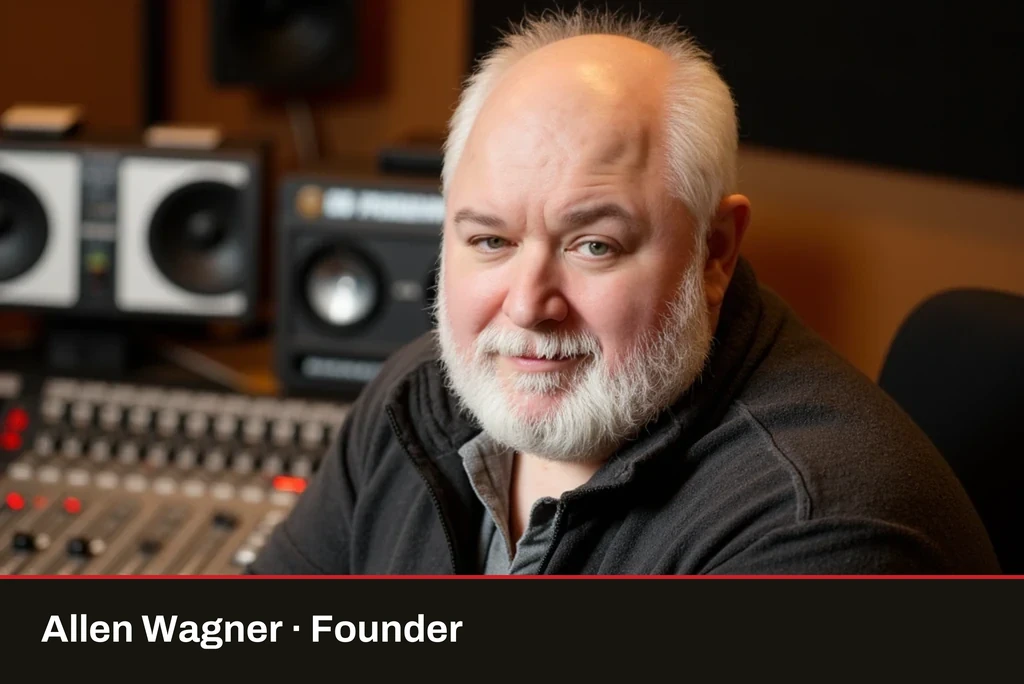
“I'd love to learn about you and your business.”
Ten minutes, and it's mostly me asking what you do, where you do it, and what you've already tried. No pitch deck, no discovery fee, no sales pressure.
Send the form on the rightbelow and I'll set up a call. If we're not a fit I'll tell you right up front and do my best to point you in the right direction.
Call me instead (360) 467-6957