
Yes, and it has to be built as two paths through one site rather than one page that tries to speak to both. A homeowner and a facilities manager aren’t the same buyer. They search differently, they judge you on different things, and a page written to satisfy both usually satisfies neither.
The good news is that this is a structure problem, not a second-website problem, and structure is cheap to get right at the start.
Two buyers who share nothing but the word
The homeowner is buying trust and convenience. They want to know whether you’re insured, whether the same person comes each time, what it costs, and whether they have to be home. The decision is emotional in the ordinary sense: somebody is going to be in their house.
The commercial buyer is buying reliability and paperwork. They want to know about insurance limits, whether you can cover a schedule when somebody calls in sick, how you handle keys and alarm codes, and whether you’ll still exist in eighteen months. Nobody in that conversation cares that you’re family owned. They care that the building gets cleaned on the nights it’s supposed to be.
Those aren’t two tones of voice. They’re two different sets of facts, and that’s why one page can’t carry both without going vague.
What that looks like as a site
Give each one a real page at its own address. Not a tab, not a toggle, not a section halfway down. A page Google can offer to a searcher on its own, because the searches are different too: somebody types the domestic version or the commercial version, almost never both.
The homepage then does one job, which is to sort people quickly and send them to the right half. That’s a genuine design constraint and it’s worth spending the top of the page on.
Everything else stays shared. One brand, one phone number, one set of reviews, one About page. Splitting those halves your credibility for no gain, and it doubles what has to be maintained.
The part people get wrong
Proof doesn’t transfer between the two. Fifty five-star reviews from homeowners do very little for a property manager comparing three cleaning contracts, and a case study about a forty-thousand-square-foot facility means nothing to somebody with a three-bedroom house.
So each side needs its own evidence, and they’re collected differently. Residential proof arrives as reviews, in volume, and asking properly is most of it. Commercial proof arrives as named accounts, references and specifics: square footage, frequency, how long you’ve held the contract.
Most businesses doing both have plenty of the first and almost none of the second written down anywhere. That’s usually the single biggest gap on the site, and it isn’t a marketing problem, it’s a filing problem: the information exists, nobody has ever put it on a page.
Which half deserves the attention
Usually the commercial one, and usually it’s getting less. The arithmetic is one-sided. A residential customer is worth a few hundred dollars a year and churns. One commercial account can be worth more than a hundred residential ones and lasts for years.
Yet the residential half is where the search volume is, which is why it gets built first and then quietly absorbs everything. If the commercial page is a paragraph at the bottom of the services page, you’re competing for the valuable half of your market with nothing.
That doesn’t mean drop residential. It fills the schedule, it produces the reviews that make you look established, and it pays the overhead while a commercial pipeline builds. It means the two need separate attention rather than one page apologizing to both.
One number, one inbox, two conversations
Both halves ring the same phone, and that’s where the split usually breaks down. A facilities manager calling about a bid and a homeowner calling about a one-off clean need different questions asked, and whoever picks up has about four seconds to work out which one they have.
It’s worth deciding that in advance rather than improvising it. A single question near the top of the call does it, and the form on each page should ask the same thing so the answer arrives before you call back. Whether the phone gets answered at all matters more on the commercial side, where a missed call is a bid you were never in.
The honest version
If you only ever want one of them, say so and we’ll build one. A site that speaks clearly to one buyer beats a site that hedges between two, and plenty of businesses are better off choosing.
If you genuinely want both, it costs a little more to build because it’s more pages, and it costs nothing extra to run. What it needs from you is the commercial evidence nobody has written down yet, which is an hour of digging through old invoices rather than anything expensive.
The rest of what’s different about marketing a cleaning business is here, including why the two halves are bought in completely different ways. The same split applies to landscaping, pest control and anybody else who works for both households and buildings. MegaVoxx would rather ask which one pays your bills before deciding where the site puts its weight.


Book a call
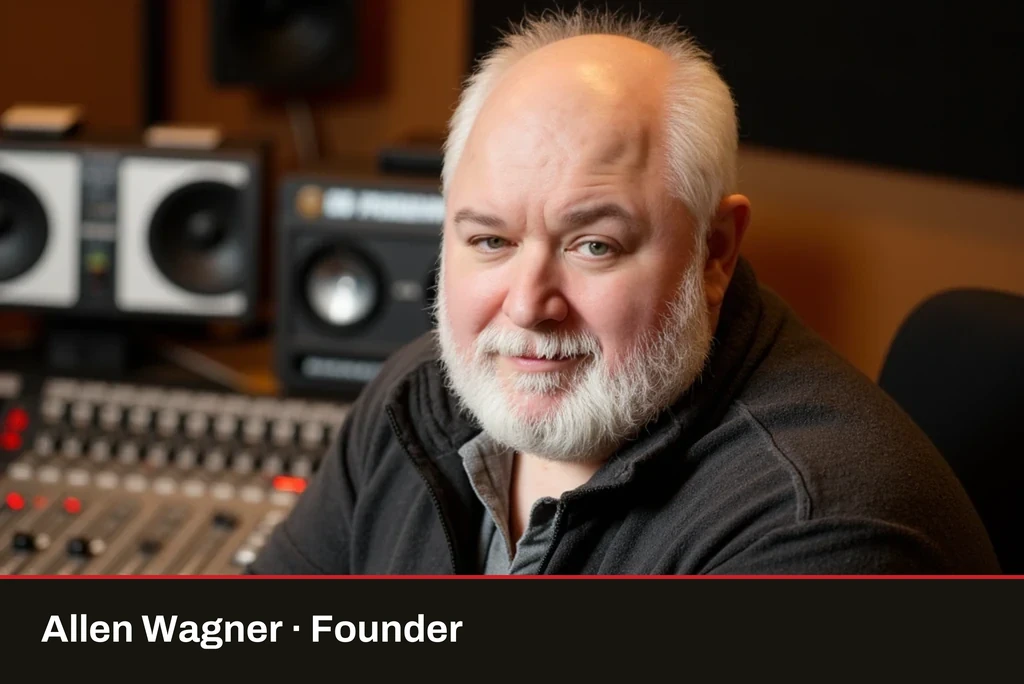
“I'd love to learn about you and your business.”
Ten minutes, and it's mostly me asking what you do, where you do it, and what you've already tried. No pitch deck, no discovery fee, no sales pressure.
Send the form on the rightbelow and I'll set up a call. If we're not a fit I'll tell you right up front and do my best to point you in the right direction.
Call me instead (360) 467-6957