
Healthcare
Marketing for Chiropractic Practices
A new patient isn't worth a visit, they're worth a plan. Which means the money doesn't leak at the front door, it leaks between visit two and visit four.
Who this is for
Your problem isn’t getting them in. It’s getting them back.
Most chiropractic marketing is sold as though the hard part is the first appointment. Somebody wrenches their back, searches, finds you, books. That part is real and it’s worth doing well.
But a new patient isn’t worth a visit. They’re worth a plan. You assess, you explain what it will take, and the value of that person is the course they complete rather than the hour they booked.
Which means the money doesn’t leak at the front door. It leaks between visit two and visit four.
They feel better, or life gets busy, or the second appointment lands on a bad week and never gets rebooked. Nobody calls to cancel a plan. They just stop coming, and the practice finds out by looking at a gap in the schedule three weeks later.
Why this practice is its own challenge
Three things about chiropractic that aren’t true of the practice next door.
You’re still answering “does this work”
A dentist is never asked whether dentistry is real. You are, quietly, by people who would never say it out loud. That skepticism gets resolved before the call, by what they read, and it’s the reason reviews carry more weight here than in almost any other practice we work with.
Two arrivals, and they need different things
The acute patient wrenched something yesterday and wants relief this week. The maintenance patient has had it for years and is finally doing something. One is deciding in hours and one has been thinking for months, and a page written only for the first loses the second entirely.
Coverage runs out mid-plan
Visits get capped, and the point where a plan stops being covered often arrives before the plan is finished. Whether that gets explained at the start or discovered at the front desk decides whether the rest of the course happens.
What a plan is worth changes every other number
In most trades one job pays for a slice of a month’s marketing. Here one completed course does more than that, and one patient who stops after two visits does less than half of what the arithmetic assumed when you took them on.
That cuts both ways and the second way is the useful one. The cheapest patient you’ll ever get is one already on your books who stopped coming. They know where you are, they already decided you were competent, and nobody has to persuade them of anything.
What people actually type
Almost nobody searches for chiropractic.
They search for what hurts. Back pain, a neck they can’t turn, sciatica, a headache that won’t shift, an accident on Tuesday. The word “chiropractor” turns up once they have decided what kind of help they want, which is later than most practices assume.
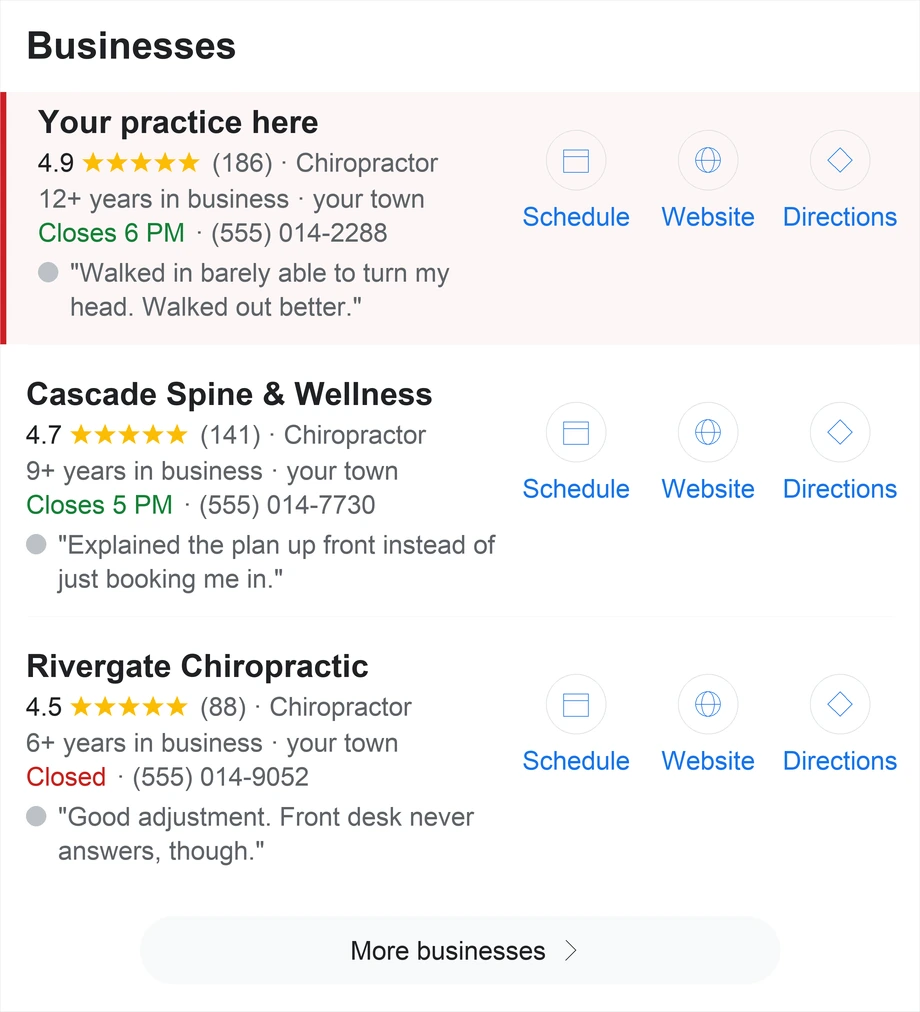
The block does the choosing, not your website
That listing is doing more work than the website underneath it. Rating, review count, whether you’re open, and whether the phone gets answered. Most people choose from that block without visiting anybody’s site at all.
Under each name is a line from somebody’s review, and it’s often the only sentence about you that anybody reads before deciding. Look at what those lines are about: one practice gets credit for explaining the plan, another gets a good adjustment and a complaint about the phone in the same breath.
We aim at the top three positions in the maps in Google and keep you there, for what people actually search. Nobody can honestly promise the top spot, here or anywhere.
The appointment where the plan gets explained
The first visit is where somebody finds out how long this is going to take. Told clearly, it becomes a course they intend to finish. Told vaguely, it becomes an open-ended arrangement they quietly stop showing up for.
That conversation is also what the follow-up refers back to. A message saying you’re due for visit three lands differently on somebody who was told at the start there would be six.

The one that decides it
Reviews do more for a chiropractor than for anybody else on this site.
What a useful review actually says
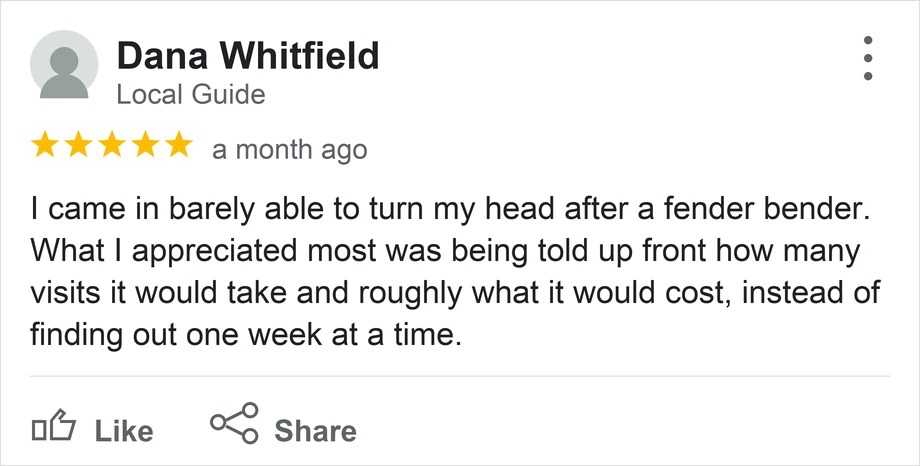
That review is doing something a testimonial about pain relief can’t. It says the practice explained the plan up front, which answers the quiet worry that a course of treatment is open-ended and designed to keep going.
One thing about reviews here that doesn’t apply to a roofer. Replying to a patient review can itself be a disclosure, because confirming somebody was a patient is the disclosure whatever else the reply says. That changes how the service runs for a practice, and it gets worked out with you before anything goes live. The service, and what changes for a practice, is here.
Where a chiropractic practice usually starts
Be findable, be believable, then stop the leak.
Almost nobody should buy all of it at once, and here the order is unusual, because the third item is normally the first thing anybody sells you.
In the order it usually makes sense
Straight answer
When this isn’t the right call.
If your schedule is already full
Leave it alone. More new patients into a full book turns into longer waits for the ones mid-plan, and those are the people whose course you need finished.
If retention is the actual problem
Then more visibility makes it worse rather than better, because you pay to fill the top of something that leaks. We’d rather fix the follow-up first and say so before you spend anything on being found.
If you want claims we can’t support
We won’t write that treatment cures, fixes or guarantees anything. That standard isn’t ours, it’s the one federal guidance already sets for health claims, and you’re the one who carries it.
Frequently Asked Questions
The things worth asking before you buy.
How do people actually find a chiropractor?
Why do reviews matter more for a chiropractic practice?
Read more on this topic: What reviews do, and how we ask for them
Can you reply to patient reviews for us?
Read more on this topic: What a reply can and can't say for a practice
We get new patients but they stop after a couple of visits. Is that a marketing problem?
Read more on this topic: The follow-up that stops people drifting away
Can you say our treatment works in the marketing?
Book a call
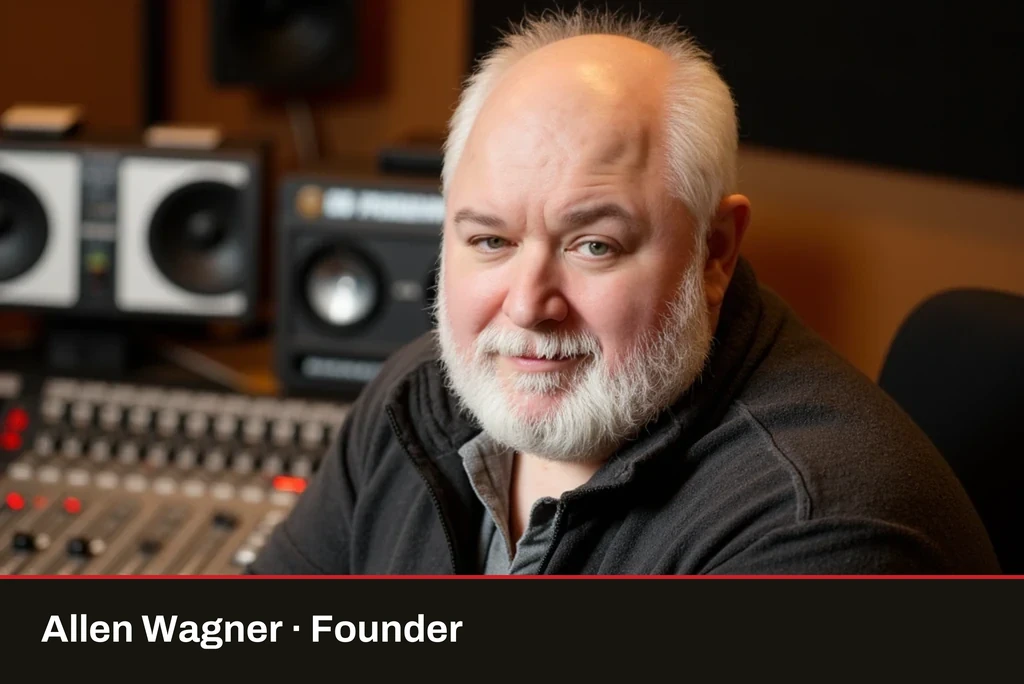
“I'd love to learn about you and your business.”
Ten minutes, and it's mostly me asking what you do, where you do it, and what you've already tried. No pitch deck, no discovery fee, no sales pressure.
Send the form on the rightbelow and I'll set up a call. If we're not a fit I'll tell you right up front and do my best to point you in the right direction.
Call me instead (360) 467-6957