
Because the cheap tiers are priced on minutes, and minutes are the one thing you can’t predict. The sticker price and the bill are different numbers, and the gap opens in exactly the month you least want it to. This is the long version of a question on the page about answering every call.
What follows is where the twenty-five dollar plans genuinely work, what they cost when they don’t, and the questions that tell you which one you’re being sold.
The sticker price is a floor, not a price
Entry plans cap you somewhere between twenty and a hundred and fifty minutes a month. That sounds generous until you count. A caller who describes a problem, gives an address and asks about availability is three or four minutes. Twenty callers is an hour. A hundred and fifty minutes is a busy two weeks, not a month.
Then the overage starts. Per-minute rates on the cheap tiers commonly run somewhere between one and five dollars a minute, and some providers bill the time spent writing up the call as well as the time spent talking. So the month your marketing finally works is the month the twenty-five dollar plan produces a bill in the hundreds.
That isn’t a scam. It’s a pricing model that suits a business with predictable, low call volume. If that’s you, buy it. It’s genuinely cheaper than we are, and we’d rather say so than pretend otherwise.
What sits outside the sticker price
Setup fees, commonly fifty dollars or so, charged once and easy to miss when comparing.
Minimum commitments. Ninety days is common. A month-to-month price with a three-month floor is a three-month contract wearing a monthly label.
Billing increments. A thirty-second call billed as a full minute is a forty percent difference on short calls, and short calls are most calls.
After-call work. The time spent typing up what the caller said, counted against your minutes. Worth asking about specifically, because it rarely appears in the headline.
The comparison that actually matters
Count what a missed call costs, not what answering costs.
Every plan on the market is cheap compared to one lost job. If your average job is four hundred dollars and you miss two calls a month you’d otherwise have won, the difference between a twenty-five dollar plan and a three hundred dollar one is noise.
So the question isn’t which is cheaper. It’s which one actually answers, at seven on a Friday, in a way that makes somebody wait rather than dial the next business on the list.
Where the cheap tiers are genuinely fine
Low volume and simple calls. If you get a handful of calls a week and they’re mostly “are you open” or “can you come Tuesday”, an automated answer that takes a message reliably is the right purchase and the price is honest.
A safety net rather than a front door. If you answer nearly everything yourself and you only need cover for the occasional overflow, you’ll never approach the minute cap.
We’d rather say that than win the sale. MegaVoxx Digital Marketing is priced for businesses whose phone is genuinely costing them work, and if yours isn’t one of them, the cheaper tool is the right tool.
Testing whether it helps at all. Some owners genuinely don’t know how many calls they’re missing. A cheap plan for two months answers that question, and the answer is often uncomfortable.
Where it stops being fine
When the calls are worth something and the answers have to be right. A caller asking about a quote, a timeline or whether you cover their area is a different conversation from a message-take. What you need there’s something that knows what you do, doesn’t invent an answer about price or availability, and captures enough detail that you can call back knowing what it’s about.
And when the volume moves. The cheap plan is cheapest when nothing is working. As soon as the phone picks up, the arithmetic inverts, and it inverts silently, on a bill you see a month later.
The one nobody prices at all
Whether the caller can tell, and whether it matters. Owners worry about this more than anything else on the list, and it’s the hardest thing to compare on a pricing page.
Some callers will work out they’re talking to a machine. What decides the outcome isn’t whether they notice, it’s what the alternative was. A machine that picks up on the second ring at seven in the evening, knows what you do and takes the details properly beats a voicemail nobody leaves. It loses badly to you answering, which is why none of this is a replacement for picking up when you can.
What it must never do is guess. The failure that costs you a customer isn’t a robotic voice, it’s a confident wrong answer about price or availability that you then have to walk back. Ask any provider how theirs behaves when it doesn’t know something, and treat a vague answer as the answer.
Four questions before you buy any of them
“What’s the per-minute rate once I’m over?” Not the plan price. The overage.
“Is after-call work counted against my minutes?”
“What’s the minimum term, and is there a setup fee?” Both, separately.
“What happens when it can’t answer the question?” The right answer is that it takes the details and hands them over. The wrong one is that it tries.
Ask us the same four. This one’s price is published, there’s no setup fee and no term, and you can stop it this month. That’s the whole answer, and it doesn’t change depending on how busy you get.



Book a call
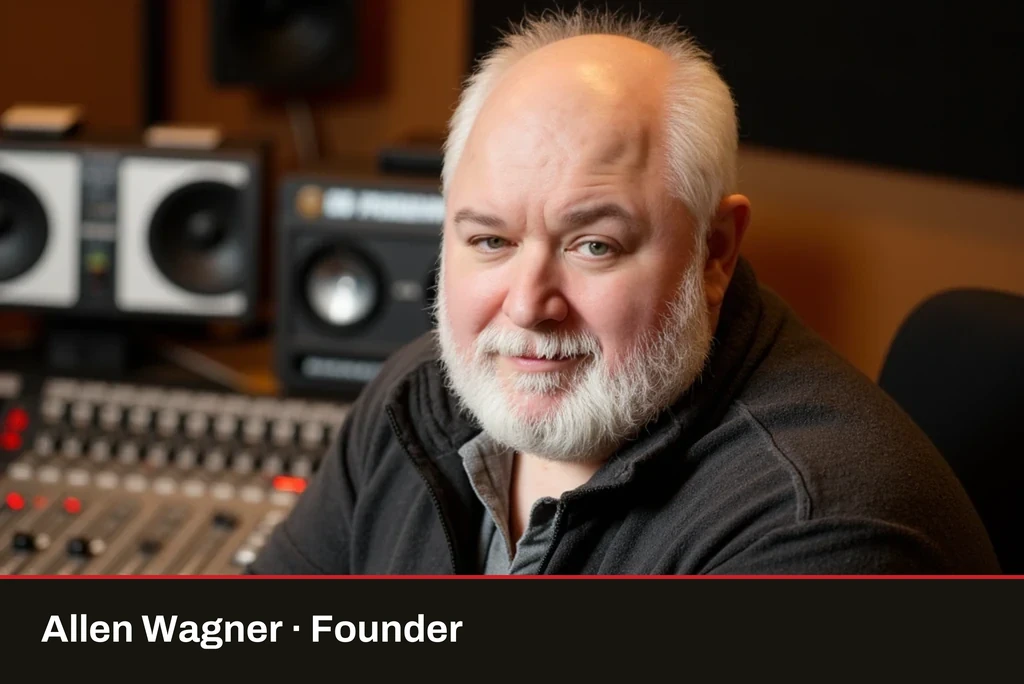
“I'd love to learn about you and your business.”
Ten minutes, and it's mostly me asking what you do, where you do it, and what you've already tried. No pitch deck, no discovery fee, no sales pressure.
Send the form on the rightbelow and I'll set up a call. If we're not a fit I'll tell you right up front and do my best to point you in the right direction.
Call me instead (360) 467-6957