
It books, into your real calendar, and that’s the whole difference between an answering service and something that actually helps. A message taken at 9pm is a callback you still owe somebody tomorrow. A booked slot is work. This is the long version of a question on the page about AI phone answering, where the short answer is the same one.
What follows is what booking actually requires from you, where it should stop and hand over, and the failure that makes automated booking worse than no booking at all.
Message-taking versus booking
Most answering services take a message. Somebody calls, a stranger types their name and number into a form, and it lands in your inbox. You call back. If they’ve already hired somebody else, you’ve paid for a transcript of a lost job.
Booking closes the loop while the caller is still on the phone and still wants you. They get a time. You get a job on the calendar. Nobody owes anybody a callback.
The gap between those two matters most exactly when you’re least able to answer: evenings, weekends, and the week everything happens at once.
What it needs from you
Less than people expect, but it isn’t nothing, and this is the part worth being honest about.
A real calendar it can write to. Google Calendar, or most scheduling tools. Not a paper diary in the van, and not a calendar that’s only accurate in your head.
Your actual availability rules. The hours you work, how long each job takes, how much travel time between them, how far ahead somebody can book, and how late is too late for tomorrow morning.
Which jobs are bookable at all. Some work can be scheduled from a phone call. Some genuinely needs you to see it first. That line is yours to draw and it’s the most important setup decision.
Most of that is one conversation. The failure mode isn’t complexity, it’s a calendar that isn’t kept up to date, because then the system books over things that were never on it.
The failure worth designing against
A booking you can’t keep is worse than a message.
Double-booking is the one unforgivable outcome. A missed call costs you a job you never had. A booking made on top of an existing one costs you a customer you already had, plus the phone call where you explain it.
So the rules run conservative. Buffers between jobs, a cutoff for same-day work, and a hard stop on booking anything the calendar isn’t certain about. Slightly fewer bookings, and none of them the kind that ruin a morning.
If the calendar isn’t trustworthy, fix that before switching booking on.
Where it should stop
Booking is right for work with a predictable shape. An estimate, a service call, a consultation, a first visit. Things where the next step is genuinely “when can you come”.
It’s wrong for anything that needs judgment about the job before a time can be promised. A caller describing something complicated, an unusual property, work you might not take. There the correct outcome is a good set of notes and a fast handover, not a slot booked on optimism.
Emergencies are their own case. Somebody with water coming through a ceiling needs a person, immediately, and the system’s job is to recognize that and escalate rather than offer them Thursday.
Drawing those lines properly is most of what MegaVoxx Digital Marketing does during setup, and it’s why this isn’t a switch you flip on a Tuesday and forget.
What the caller experiences
They ask when you can come. They’re offered two or three real times. They pick one. They get a confirmation by text before they hang up, with your name on it.
That last part does more than it looks like. A confirmation in writing is the difference between a booking somebody remembers and a booking somebody meant to write down.
Reminders go out the day before, which is the cheapest no-show reduction available to any local business and one that almost nobody does consistently by hand.
What happens when it goes wrong
It sometimes will. The useful question is what the failure looks like.
A booking the calendar can’t support should fail loudly, to you, before the customer arrives. A caller the system can’t understand should reach a human rather than a loop. And anything it books, you can move or cancel like any other appointment, because it’s your calendar and not a separate system pretending to be one.
What we’d tell you on the phone
Start with booking switched off, if you’re unsure. Run it as message-taking for two weeks and read what it captured. If the notes are accurate, the calendar rules are the easy part.
And if your diary genuinely lives on paper, say so. That’s not a reason to skip this, but it’s a reason to fix the diary first, because everything downstream depends on it being true.



Book a call
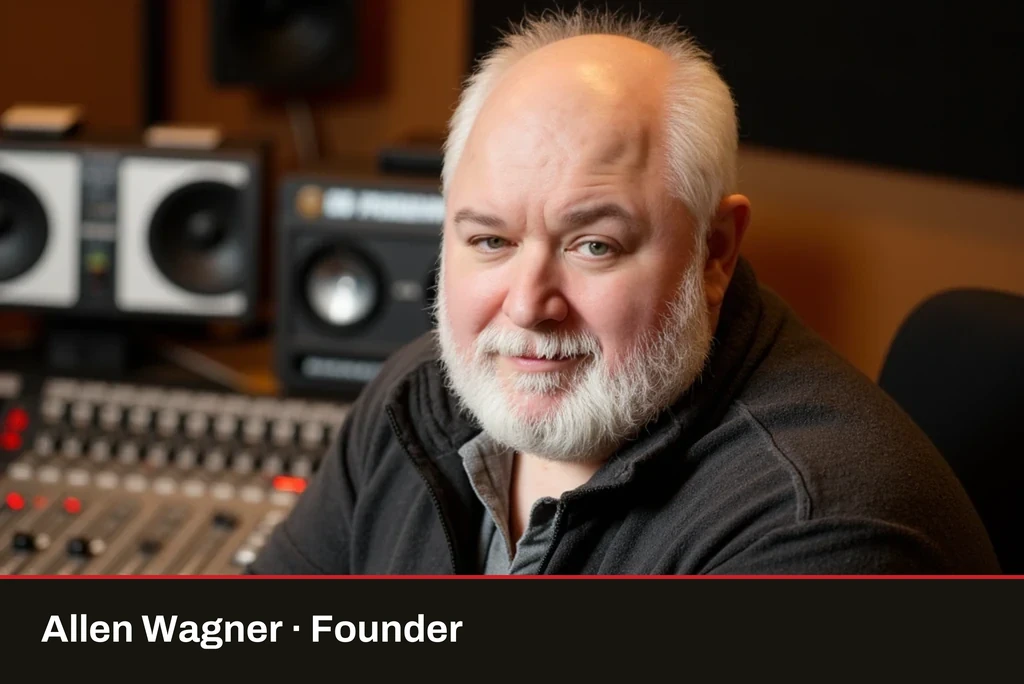
“I'd love to learn about you and your business.”
Ten minutes, and it's mostly me asking what you do, where you do it, and what you've already tried. No pitch deck, no discovery fee, no sales pressure.
Send the form on the rightbelow and I'll set up a call. If we're not a fit I'll tell you right up front and do my best to point you in the right direction.
Call me instead (360) 467-6957