
You can say what you do. You can’t say what it will do to somebody. That’s the line, and it catches more practices than it should, because the sentence that crosses it usually sounds modest rather than reckless.
“Helps with back pain.” “Patients report better sleep.” “Naturally supports immune function.” None of those reads like a wild claim, and all of them are claims about what a treatment does.
The standard isn’t what you’ve seen. It’s what can be substantiated.
Federal guidance on health claims is explicit that two things aren’t enough on their own: a patient’s experience, and a practitioner’s own observation.
That’s the part practices find hardest, and understandably. You’ve watched it work. You’ve watched it work hundreds of times. But “I have seen this help many people” is exactly the category of evidence the rule says can’t carry a claim by itself, because it’s the same sentence somebody with no training and no results would also write.
The test isn’t sincerity, it’s substantiation, and it applies to the marketing rather than to the medicine. Nothing here says the treatment doesn’t work. It says the website can’t be the thing that establishes it.
A testimonial doesn’t launder a claim
Putting the sentence in a patient’s mouth doesn’t change whose claim it is. If the page says a treatment resolves a condition, it makes no difference whether that appears as your copy or as a quotation you chose to publish. You selected it, you published it, and it says the same thing.
This matters because reviews are genuinely valuable here and it would be easy to read the above as “don’t use reviews.” Use them. Just notice which half of a review you’re leaning on. A patient saying they were listened to for an hour, that the plan was explained up front, that they knew the cost before booking, is describing how they were treated. That’s checkable, it’s persuasive, and it isn’t a claim about efficacy.
The same review saying a condition was cured is doing something else entirely, and it’s the sentence that would have to be substantiated if anybody asked.
What’s left is more than people expect
Practices hear all this and assume they’re left with nothing to say. The opposite is true, and the material that remains tends to convert better anyway, because it answers what people are actually deciding.
What the training was. Where you studied, how long it took, what the license required. Nobody has to soften that.
What a first visit involves. How long it runs, what gets asked, what gets examined, whether anything happens on the day. This is the single most requested piece of information on a practice website and the most commonly missing.
What a course of care looks like. How many visits is typical, over what period, and how you decide when it ends. Saying so up front is the thing patients later describe as the reason they stayed.
What it costs, and how coverage works. Whether you bill insurance, what happens if it runs out mid-plan, and what a visit costs without it.
What you see most. Naming the conditions you commonly work with is describing your practice, not promising an outcome, and it’s how somebody with that condition finds you at all.
Your board sits on top of this
Everything above is the federal floor, and it’s not the only rule you answer to. Your licensing board sets its own terms about what may appear in advertising, and those vary by state and by profession. Some are stricter about titles. Some have specific requirements about before-and-after imagery. Some care how testimonials are presented.
Those are yours rather than ours, and we’d rather ask what applies to you than assume it matches the practice down the road. None of this is legal advice and we’re not the people to give it.
How this changes what we write
We won’t write that a treatment cures, fixes or guarantees anything, and we’d turn the work down rather than argue about it. That’s not caution for its own sake. It’s that the claim would be yours to defend, on your license, long after the page was written.
What we’d build instead is everything checkable around it, which is the part most practice websites skip while spending their space on adjectives.
Replying to a patient review carries a separate rule of its own, and a stricter one, because confirming somebody was a patient is a disclosure whatever else the reply says. That carve-out and how we handle it is worth reading alongside this.
The rest of what changes for a chiropractic practice is here, and the naturopathic version is here, where the same rule bites hardest because those patients most want to read about outcomes. MegaVoxx would rather write the honest half well than the other half at all.



Book a call
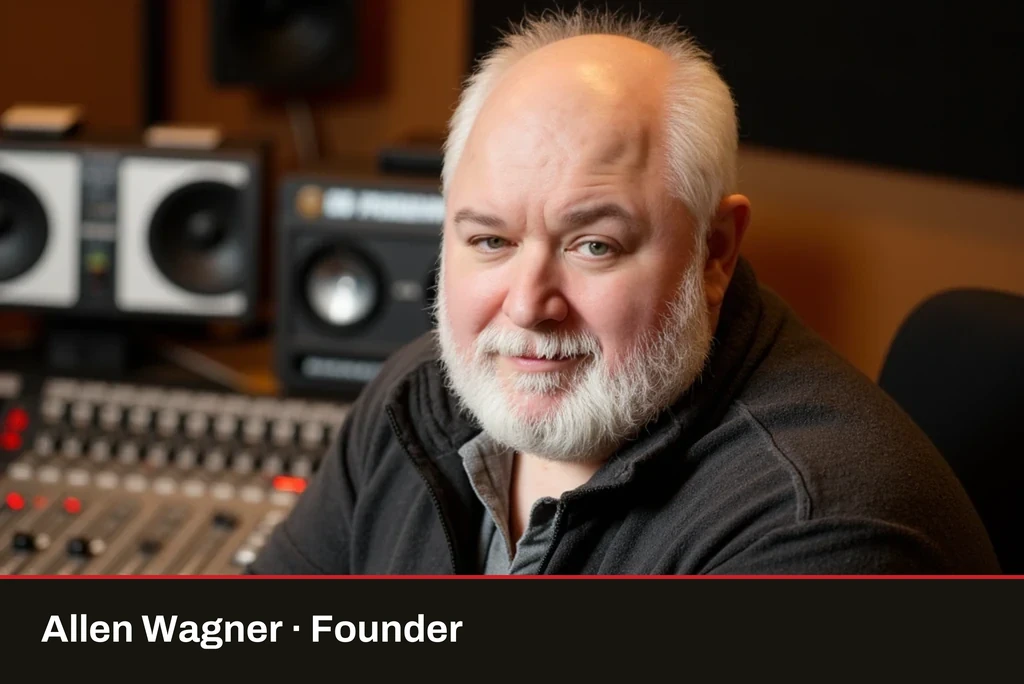
“I'd love to learn about you and your business.”
Ten minutes, and it's mostly me asking what you do, where you do it, and what you've already tried. No pitch deck, no discovery fee, no sales pressure.
Send the form on the rightbelow and I'll set up a call. If we're not a fit I'll tell you right up front and do my best to point you in the right direction.
Call me instead (360) 467-6957