
Then you start one this week, and you almost certainly have more of a list than you think. Most owners who say they have no list mean they have no spreadsheet. The names are there, spread across an invoicing system, a phone and a diary. This is the long version of a question on the page about email and reactivation, where the short answer is the same one.
What follows is where the list actually is, what to do if it genuinely doesn’t exist, and how long it takes to become worth something.
Where your list already is
Four places, and almost nobody checks all four.
Your invoicing or accounting software. Every customer you’ve billed is in there with a name and usually an email, because that’s how the invoice reached them. This alone is often the whole list.
Your email sent folder. Every quote you sent, including the ones that went nowhere. Those people asked you for a price once, which makes them warmer than any stranger.
Your phone. Saved contacts, and the call log going back further than you’d expect.
Whatever you book with. A scheduling tool, a shared calendar, even a paper diary with names against dates.
Pull those together and a business that has been trading five years usually finds several hundred people. The reason it felt like nothing is that it was never in one place.
If it genuinely isn’t there
Some businesses really are starting from zero. Cash trade, no invoicing software, nothing written down. That’s a real situation and it has a real answer: start collecting from today, and don’t try to reconstruct the past.
Ask for an email at the point where it’s natural. When you send a quote, when you book a job, when you invoice. One field, asked once, at a moment when the customer is already dealing with you.
A business doing four jobs a week has two hundred people inside a year. That’s a real asset built from nothing, and the only reason most businesses don’t have one is that nobody started.
What to collect, and what not to
A name, an email, what you did and when.
Those four fields are enough to send something worth reading. What you did tells you what to say next; when you did it tells you when to say it.
Don’t build a database you’ll never maintain. Elaborate systems with twenty fields get abandoned in a month. A spreadsheet somebody actually updates beats a system nobody does.
Get permission properly while you’re at it. A tick box that says what they’ll receive, recorded with a date. It costs nothing at the point of collection and it’s expensive to fix later.
Start the file this week, badly. Tidy it later.
What a small list is worth
More than the number suggests, because these are the warmest contacts a business ever has.
Two hundred past customers isn’t a small audience when they’ve all paid you before. Compare it to advertising, where you pay for every stranger who might be interested, and a couple of hundred people who already trust you looks quite different.
It also compounds. Every job adds a name. A list that feels thin this year is substantial in three, but only if somebody started it.
Which is why MegaVoxx Digital Marketing asks about the list before recommending anything else. A business sitting on three hundred past customers has a cheaper first move available than a business that needs to go and find strangers.
What to do first with a new list
Nothing dramatic, and definitely not a newsletter.
Wait for a reason. A service due, a season starting, a job that logically leads to another. Then contact the people that reason applies to, and only those people.
A first message to a list should read like a business remembering somebody, not like a business announcing itself. The difference is whether it references something true about that person.
That restraint is most of the skill here. The mechanics are simple. Knowing what not to send is the part that keeps a list worth having.
The mistake that ruins a new list
Sending to all of it, immediately, because it’s finally in one place.
A first send to two hundred people with a generic message will get you a handful of unsubscribes and teach the rest to ignore you. You’ve spent the asset before you learned how to use it, and it doesn’t fully recover.
Small and specific beats large and general every time, particularly at the start when you’re still learning what your customers respond to.
What we’d tell you on the phone
Spend an hour this week exporting from those four places into one file. Don’t clean it, don’t format it, just get it into one place and count it.
Then tell us the number. If it’s forty, we’ll say wait and keep collecting. If it’s four hundred, there’s work in there worth going after, and it’s the cheapest work you’ll find this year.


Book a call
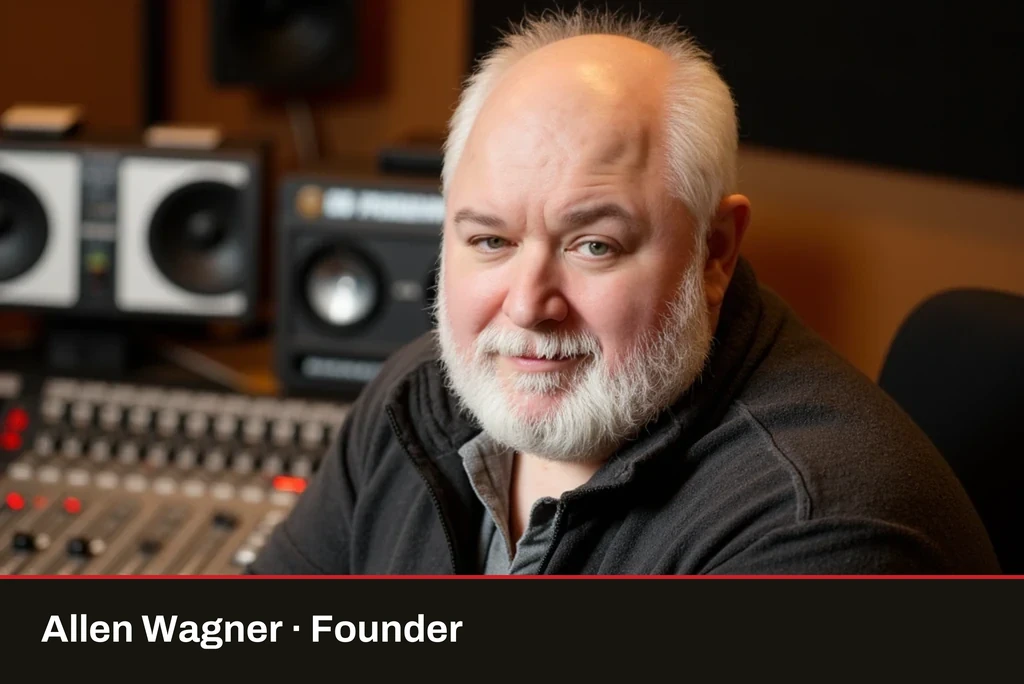
“I'd love to learn about you and your business.”
Ten minutes, and it's mostly me asking what you do, where you do it, and what you've already tried. No pitch deck, no discovery fee, no sales pressure.
Send the form on the rightbelow and I'll set up a call. If we're not a fit I'll tell you right up front and do my best to point you in the right direction.
Call me instead (360) 467-6957