
Only when it’s marketing wearing a follow-up’s clothes. A text about a job somebody actually asked you about is useful and gets answered. A text about a promotion they never signed up for is the reason people mute businesses. This is the long version of a question on the page about text follow-up, where the short answer is the same one.
The worry is reasonable, so here is the honest split: what people genuinely don’t mind, what they resent, and where the line sits between the two.
What people don’t mind
Texts about something they started.
A reply to a question they asked. Somebody filled in a form at 11pm. A text back saying you’ve got it and when you’ll call isn’t an intrusion, it’s relief.
A confirmation. The time, the date, your name. People want this in writing and most businesses still don’t send it.
A reminder the day before. Nobody has ever been annoyed by being reminded of something they’d forgotten they agreed to.
An update when something changes. Running late is a text. Making somebody sit in for a two-hour window that has moved is what actually annoys people.
None of that reads as marketing, because none of it is. It’s the business doing the thing the customer asked for, in the channel they’d rather use.
What people resent
Messages they never asked for. A number given so you could do a job isn’t permission to sell them something later. That’s both the legal line and the human one.
Frequency with no event behind it. A text tied to something real, like a booking, is welcome. A text sent because it’s Tuesday isn’t.
Anything that can’t be answered. Sending from a number that doesn’t accept replies tells the customer the conversation is one-way, and people react to that exactly as you’d expect.
A STOP that doesn’t work. One ignored opt-out undoes every good message that came before it, and it’s the fastest way to turn mild irritation into a complaint.
The test that settles it
Would this text make sense if you’d sent it by hand?
“Confirming Thursday at 10, it’s Dave” passes. You’d have typed that yourself if you’d had a spare minute. Automation is just giving you the minute.
“Spring gutter special, 15% off this week” fails, unless that person asked to hear about offers. You wouldn’t have texted it by hand to a customer from two years ago, and the fact that software makes it easy doesn’t make it welcome.
If you’d feel odd sending it personally, the software shouldn’t send it either.
Why text rather than email
Because it gets read, which is the whole argument and also the whole risk.
A text arrives on a screen somebody looks at within minutes. That’s precisely why it works for a confirmation and precisely why it’s resented for a promotion. The channel’s strength and its danger are the same property, and treating it like email is how businesses burn it.
Restraint is the actual product here. That’s the thinking behind how online marketing experience gets applied to this one: fewer messages, all of them tied to something that happened, every one of them answerable.
What good looks like in practice
A handful of messages across an entire job, not a campaign. Acknowledge the first message. Confirm the booking. Remind the day before. Follow up once afterwards, when a review request is natural rather than nagging.
Then nothing, until they contact you again, unless they explicitly opted in to hear more.
That’s four or five texts spread over weeks, each one attached to something the customer did. Almost nobody objects to that, and the businesses that complain texting “doesn’t work for their customers” are usually describing a different thing entirely.
The one nobody expects to work
The follow-up after the job is the message owners are most nervous about, and it’s the one customers mind least.
Somebody whose work was done well that morning is, for about a day, as warm toward your business as they will ever be. A short text then, thanking them and asking how it went, reads as attentiveness rather than as marketing. It’s also the moment a review request stops being an imposition.
Leave it two weeks and the same message is an interruption from a business they have stopped thinking about. The timing is doing almost all of the work.
Two-way, or don’t bother
The single biggest factor in whether texting annoys people is whether they can reply and reach somebody.
A customer who texts back “can we make it 11 instead” and gets a real answer has had a good experience with your business. One who gets silence, or an automated line saying this number isn’t monitored, has learned that your convenience mattered more than theirs.
If you can’t commit to answering replies, send fewer texts rather than one-way ones.
What we’d tell you on the phone
Read the messages before they go out, as if you’d received them about your own house. Most owners cut one or two, and the ones they cut are always the promotional ones.
Then watch the opt-out rate rather than guessing. It’s the most honest feedback you’ll ever get, it arrives fast, and if it climbs, the answer is always fewer messages rather than better wording.



Book a call
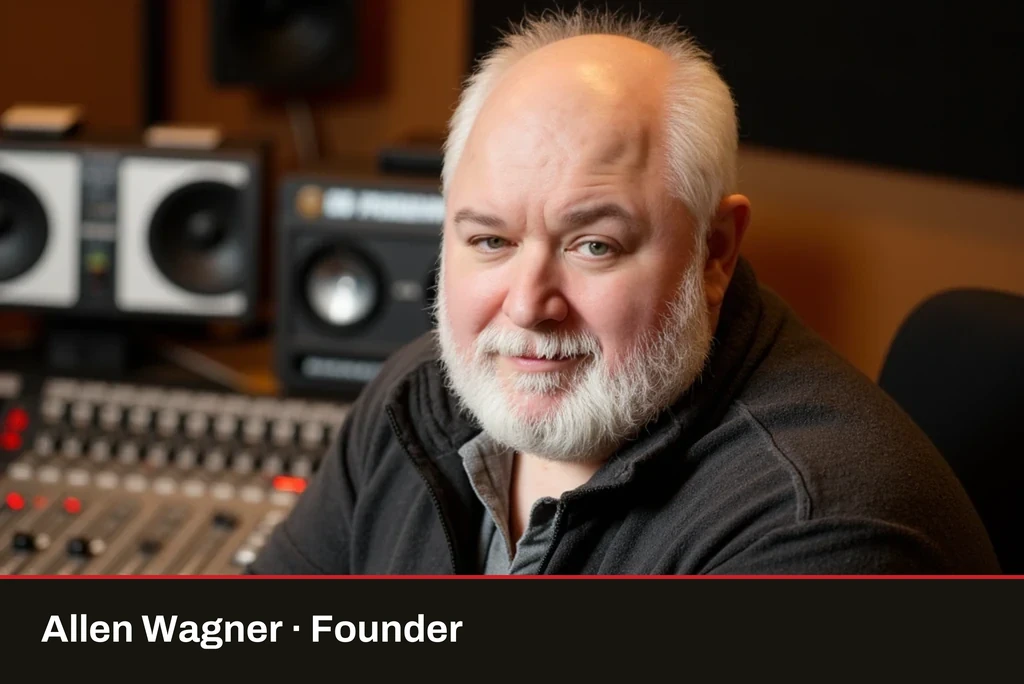
“I'd love to learn about you and your business.”
Ten minutes, and it's mostly me asking what you do, where you do it, and what you've already tried. No pitch deck, no discovery fee, no sales pressure.
Send the form on the rightbelow and I'll set up a call. If we're not a fit I'll tell you right up front and do my best to point you in the right direction.
Call me instead (360) 467-6957