
Only if it breaks Google’s rules, and even then it’s an appeal rather than a deletion. Nobody outside Google can remove a review, and anybody who tells you they can is either lying or planning to do something that puts your listing at risk. This is the long version of a question on the page about review management, where the short answer is the same one.
What follows is which reviews actually come down, what the appeal involves, and what to do about the far more common case where the review is simply unkind and entirely allowed.
Who can remove a review
Two parties. The person who wrote it, and Google. That’s the whole list.
You can’t delete a review from your own profile. Neither can an agency, whatever the sales page implies. What anybody can do on your behalf is report it and argue that it breaks a published policy, which Google then accepts or refuses.
Understanding that changes what you should expect from anyone offering the service. The honest version is an appeal with a success rate. The dishonest version is a promise.
What actually comes down
Reviews get removed when they break a content policy, not when they’re wrong or harsh. The ones with a real chance:
It isn’t about a genuine experience. A review from somebody who was never a customer, describing a visit that didn’t happen.
It’s from a competitor. Conflict of interest is its own violation, and it’s one of the more successful appeals when you can show the connection.
It’s from a former employee, reviewing you as a workplace rather than as a customer.
It contains something prohibited. Profanity, slurs, threats, personal information, advertising, or content aimed at a person rather than the business.
It’s on the wrong business. More common than you’d think, especially with a similar name in the same town.
It’s spam. Repeated text, bot activity, or a burst from accounts created the same week.
The one that never comes down
“They were rude and expensive.”
A negative opinion about a real visit is exactly what the platform is for. It can be unfair, one-sided, or leave out that the customer changed the job three times. None of that is a policy violation, and no appeal will succeed.
This is most bad reviews. Owners who go in expecting removal spend weeks on an appeal that was never going to work, while the review sits there without a reply, which is the thing that was actually costing them.
If it describes a real interaction, stop trying to delete it and start answering it.
What an appeal involves
Report the review through your profile, choose the policy it breaks, and wait. Simple decisions come back in a few days. Anything contested takes longer, and a first refusal isn’t necessarily final if there’s evidence that wasn’t submitted the first time.
The appeals that succeed are specific. “This is unfair” fails. “This account has reviewed eleven businesses in four states in one afternoon, and we have no record of this person as a customer” is an argument with something behind it.
Which is why the work is worth doing properly, and why MegaVoxx charges nothing for it unless the review actually comes down. Nobody can promise a result that Google decides.
Can you sue over a false review?
Sometimes, and it’s usually the wrong move.
Defamation requires a false statement of fact, not an opinion. “The work was shoddy” is opinion. “They aren’t licensed” when you are is a factual claim that can be false. The platform itself is generally shielded from liability for what users post, so any action is against the author, whom you may not be able to identify.
Then there’s the practical problem: legal threats over reviews attract attention to the review. A quiet one-star complaint becomes a story. And under the FTC’s rules on review suppression, using a groundless legal threat to get a review removed is itself a violation.
For a genuinely defamatory review that’s costing you real money, talk to a lawyer. For the other ninety-nine, don’t.
The math of not removing it
A single one-star sits heavily on a profile with twenty reviews and barely registers on one with two hundred. For an established profile, it takes somewhere in the region of ten to twenty five-star reviews to pull an average back to where it was.
That’s slow, but it’s a process you control completely, and it works on every future bad review as well as this one. An appeal, at best, fixes one.
Reply to it as well. Calm, specific, no arguing. The reply isn’t for the person who wrote the review; it’s for the next twenty people deciding between you and somebody else, and they will read it.
What we’d tell you on the phone
Send us the review before you do anything. Three minutes tells you whether there’s a policy angle, and if there isn’t, we’ll say so rather than take money to file an appeal that fails.
Then put the effort into the two things that reliably work: a good reply on the public record, and enough real reviews arriving that one bad month stops defining you.



Book a call
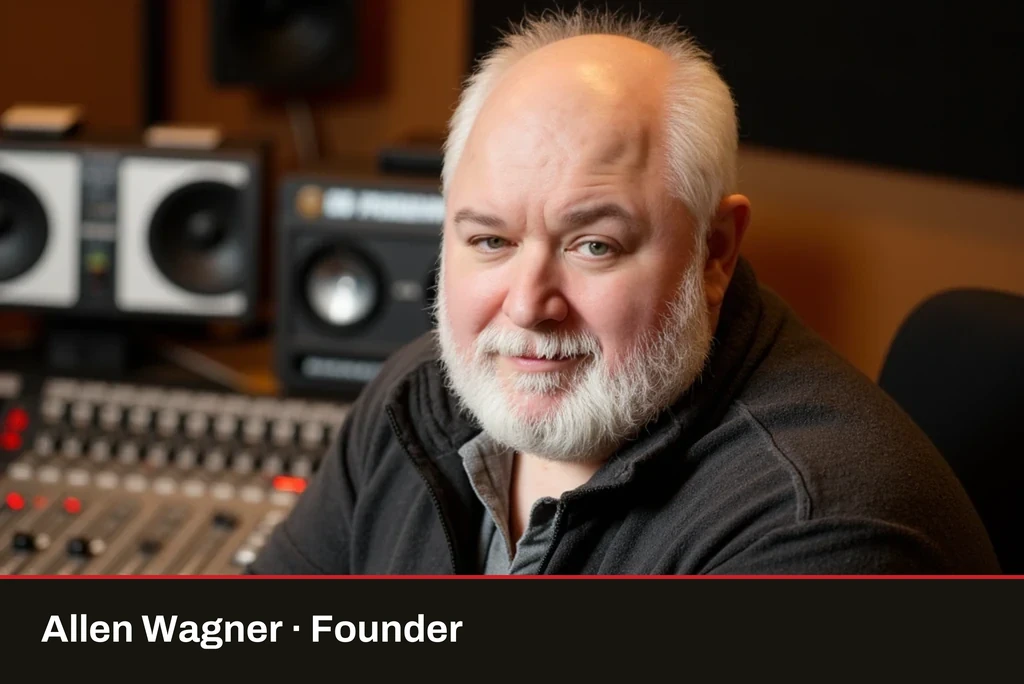
“I'd love to learn about you and your business.”
Ten minutes, and it's mostly me asking what you do, where you do it, and what you've already tried. No pitch deck, no discovery fee, no sales pressure.
Send the form on the rightbelow and I'll set up a call. If we're not a fit I'll tell you right up front and do my best to point you in the right direction.
Call me instead (360) 467-6957