
Yes, and mostly for people who will never leave a review themselves. The person deciding between you and two competitors reads how you answered the worst review you have, and what they see there tells them more than the rating does. This is the long version of a question on the page about review management, where the short answer is the same one.
What follows is who the reply is really for, what a good one looks like, and the three ways businesses make a bad review worse by answering it badly.
Who you’re actually writing to
Not the reviewer. They’ve said their piece, they’re probably not coming back, and the odds of changing their mind in public are low.
You’re writing to the next twenty people who read that review while deciding whether to call you. They arrive with a specific question, which isn’t “is this business perfect” but “if something goes wrong, what are these people like to deal with”.
Your reply is the only evidence they have. A calm, specific answer to an angry review is worth more than the five-star review above it, because it’s harder to fake and it answers the question they’re actually asking.
What a good reply does
Thanks them, briefly. Not effusively. One line.
Shows you know the specific job. “You had us out on the fourteenth for the boiler” tells every later reader that this was a real customer and you keep track. Vague replies read as templates, because they are.
Takes the part that’s yours. If you were late, say you were late. Readers forgive an admitted failure far more easily than a defended one, and the admission costs you nothing you hadn’t already lost.
Says what changed. One sentence about what you do differently now. This is the line that converts a bad review into evidence of a business that pays attention.
Moves it offline. A number or a name, once, without insisting.
Four or five sentences. Anything longer looks defensive regardless of content.
None of that is hard to write once. The reason MegaVoxx treats this as a standing job rather than a task is that the difficulty is never the first reply. It’s the two hundredth, on a Friday, about something that wasn’t your fault.
The three that make it worse
Arguing, explaining at length, and copy-paste.
Arguing. You may be entirely right about what happened. It doesn’t matter. A reader watching a business argue with a customer learns something about the business, and it isn’t what you wanted them to learn.
The long explanation. Six paragraphs of context reads as a business that can’t let things go. The reader skims it, sees length, and draws a conclusion before reading a word.
The same reply on every review. “Thank you for your feedback, we appreciate your business” twenty times in a row tells anybody scrolling that nobody read any of them.
If you’re angry, write it, save it, and post it tomorrow.
Reply to the good ones too
Most businesses answer complaints and ignore praise, which is backwards in one specific way: a profile where only the negative reviews have replies reads as a business that shows up only when defending itself.
Good replies to good reviews can be short. A sentence naming the job is plenty, and it makes the whole profile look attended to. It also, quietly, encourages more reviews, because people can see the business notices.
How fast, and how consistently
Within a few days is fine. Within an hour, angry, is how most bad replies happen.
Consistency matters more than speed. A profile with replies from two years ago and nothing since tells a reader the business had a burst of attention once, which is worse than never having started.
What about a review that’s simply false
Reply anyway, and reply carefully, because this is where businesses do themselves the most damage.
State your side once, plainly, without accusation. “We have no record of a job at this address, and we’d genuinely like to sort it out if we’ve got that wrong” does everything a reader needs. It signals confidence, it leaves room for a mistake, and it avoids calling somebody a liar in public.
Then report it separately if it breaks a platform rule. The reply and the appeal are different jobs, and mixing them produces a reply written to an audience of one at Google rather than to the customers reading it.
What we’d tell you on the phone
Go and read your own worst review, then read your reply to it as if you were choosing a contractor. Most owners wince. That reaction is the useful information.
Then fix that one reply. It’s the single highest-value edit available on your listing, it takes ten minutes, and it’s read by more people than anything else you’ll write this month.



Book a call
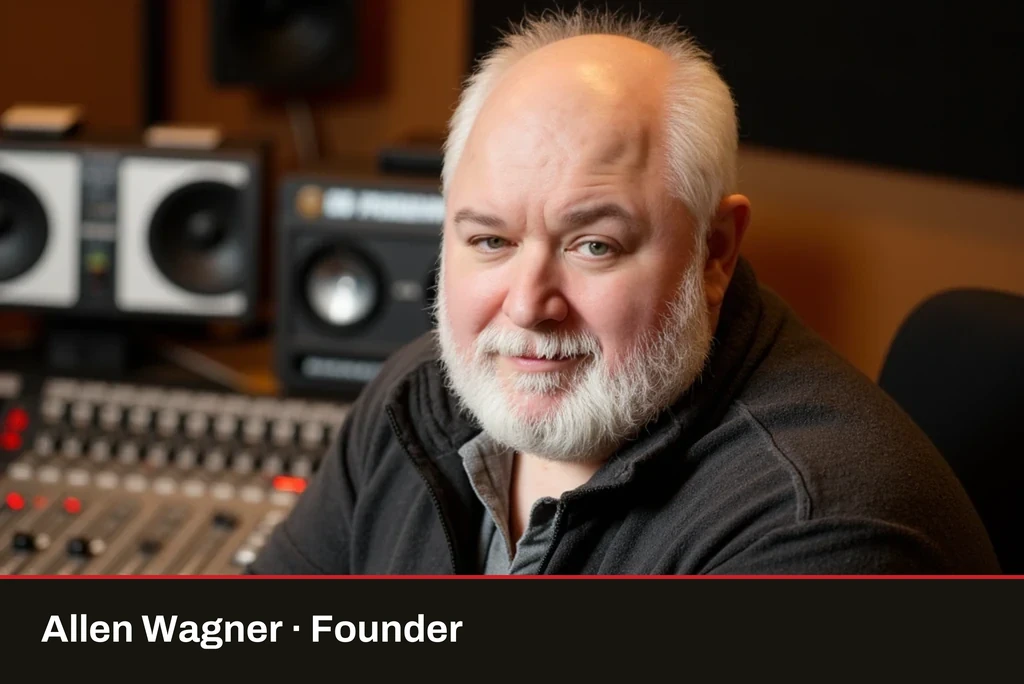
“I'd love to learn about you and your business.”
Ten minutes, and it's mostly me asking what you do, where you do it, and what you've already tried. No pitch deck, no discovery fee, no sales pressure.
Send the form on the rightbelow and I'll set up a call. If we're not a fit I'll tell you right up front and do my best to point you in the right direction.
Call me instead (360) 467-6957