
Two things: how hard your competition is, and how much ground you want to cover. Nothing about the size of your business, your revenue, or what you paid somebody else. This is the long version of a question on the page about local and AI search, where the short answer is the same one.
A range that wide invites suspicion, so here is exactly what moves a quote from one end of it to the other.
The first factor: who you’re up against
Search is a contest against specific businesses, and the cost of winning depends entirely on who they are.
A quiet market means a handful of competitors, most with thin listings and sites nobody has touched in years. The work is real but the resistance is low, and results come faster because the bar is lower.
A contested market means competitors who have been at this for years, with deep sites, hundreds of reviews and somebody working on it every month. Every position is currently held by a business that intends to keep it.
Same work, different amount of it, sustained for longer. Personal injury in a metro is at one end. A specialist trade in a small town is at the other, and it isn’t close.
The second factor: how much ground
One location serving one town is a small job. The same business serving nine towns is nine times the surface area, and it doesn’t get cheaper per town.
Each place needs its own page, its own signals, and its own attention as it matures. Multiple locations add another layer, because each has a listing to maintain and each competes in a different local field.
This is the factor most businesses underestimate. Owners think of themselves as one business. Search treats them as one business per area, and the price follows search.
It’s also why SEO for small businesses is published here as a range rather than a single figure. One number would be wrong for nearly everybody, and a range with the reasons stated lets you place yourself in it before you ever speak to us.
What doesn’t move the price
How much money you make.
The quote reflects the work, not your ability to pay. Two businesses in the same trade with the same service area get the same number, whether one turns over four hundred thousand and the other four million.
It also isn’t set by what you paid before. A business arriving from an agency charging three thousand a month doesn’t get quoted three thousand. If the work is worth fifteen hundred, that’s the number, and being overcharged previously isn’t a reason to be overcharged again.
If a quote moves when you mention your revenue, you aren’t being priced, you’re being tested.
What a bottom-of-range engagement looks like
One location, one town or a tight cluster, a trade where two or three competitors are doing this properly. The listing gets fixed and maintained, reviews start arriving steadily, and a manageable set of pages covers the services and the area.
It’s a real program, and it’s often enough to move a single-location business into the top few results within a few months, because most of what’s above them isn’t being defended.
What a top-of-range engagement looks like
Multiple locations or a wide service area, in a category where the businesses ranking above you employ somebody to keep them there. Dozens more pages, sustained review generation across every location, and continuous work rather than a build followed by maintenance.
The difference isn’t a better version of the same service. It’s more of it, for longer, against resistance that pushes back.
How the number is arrived at
By looking, before quoting. Who currently ranks for the searches that matter to you, how strong their listings and sites actually are, how many places you need to appear, and what state your own listing is in today.
That’s an hour of work and it produces a number with reasons attached rather than a guess with a discount.
Can you start lower and grow
Usually, and often it’s the right call.
A business at the top of the range by market difficulty can still start with the foundation work: the listing, the reviews, the core pages. That’s cheaper, it’s genuinely useful, and it tells you whether this channel produces anything for you before you commit to the full program.
What doesn’t work is buying a bottom-of-range program for a top-of-range market and expecting top-of-range results. That’s the arithmetic behind most disappointment in this industry, and it’s usually the seller’s fault rather than the buyer’s.
What we’d tell you on the phone
Ask any quote which of those two factors is driving it, and by how much. A real answer names your competitors and your towns. A vague one is a package with a number attached to it.
And if the honest answer is that your market is cheap and you need the low end, we’ll say so. Quoting you more than the work requires is the fastest way to lose you in six months.



Book a call
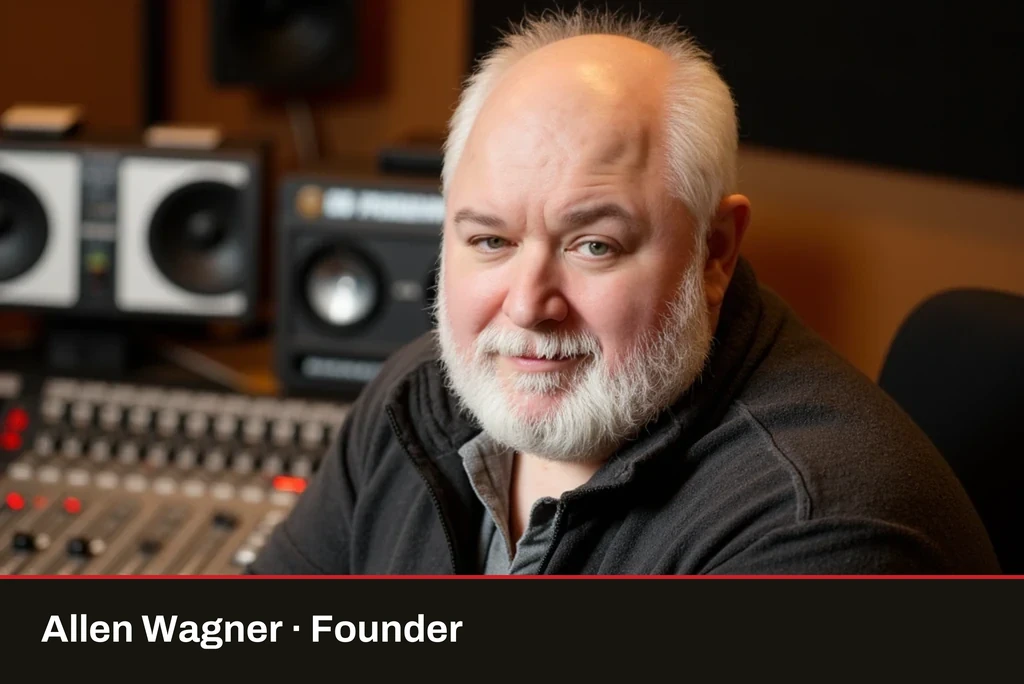
“I'd love to learn about you and your business.”
Ten minutes, and it's mostly me asking what you do, where you do it, and what you've already tried. No pitch deck, no discovery fee, no sales pressure.
Send the form on the rightbelow and I'll set up a call. If we're not a fit I'll tell you right up front and do my best to point you in the right direction.
Call me instead (360) 467-6957