
Yes. Answering a call somebody chose to place to you isn’t regulated the way outbound marketing is. The rules people have read about, the ones demanding written consent before a call, govern calls you make. They don’t reach a business answering its own line. This is the long version of a question on the page about AI phone answering, where the short answer is the same one.
What follows is why inbound and outbound are treated so differently, the two areas that do deserve attention, and the questions worth asking any supplier before you sign.
Why inbound is the easy case
The rules everybody has half-heard about exist to protect people from calls they didn’t ask for. Consent requirements, do-not-call lists, restrictions on artificial and prerecorded voices: all of it is aimed at somebody’s phone ringing when they didn’t want it to.
A customer dialing your number has already decided to speak to your business. There’s no unwanted intrusion to protect them from, which is why the framework doesn’t apply.
Nobody needs your consent to answer their own phone with an answering machine, and the same logic carries.
Where it flips
The moment you call somebody, you’re in a completely different set of rules, and the difference is stark enough to be worth stating clearly.
Outbound marketing calls using an artificial or prerecorded voice require prior express written consent, which you can’t obtain by cold-calling to ask for it. Damages are set per call and are privately actionable, meaning the recipient can bring the claim themselves.
So a system that answers your phone is straightforward. A system that dials out on your behalf to people who never contacted you is a different product with a different risk profile, and it should never be sold as though they’re the same thing.
Returning a call to somebody who just called you doesn’t cross it. The line is unwanted contact, not automation.
The part that does need attention
Recording, not answering.
Call recording laws vary by state, and some require every party to consent rather than just one. A business operating across state lines is potentially dealing with several different rules on one phone line, and the caller’s location can matter as much as yours.
This is why what a system stores matters as much as what it says. Ours produces notes, not recordings: the caller’s name and number, what they said the problem was and how urgent it sounded. There’s less to get wrong when there’s less being kept.
If a supplier records calls, ask where it’s stored, for how long, and what the disclosure says. Then check your own state.
The second area: saying what it is
Not strictly a legal requirement for inbound calls today, and worth doing anyway.
Disclosure law around automated systems is tightening, and it’s moving in exactly one direction. A system built to announce itself doesn’t need rebuilding when the next rule arrives, and a caller who finds out mid-conversation feels tricked by your business rather than by your supplier.
That’s MegaVoxx‘s position on it regardless of what the law requires this year: the system identifies itself, because the alternative costs more than it saves.
Industries with extra rules
Some businesses have obligations that sit on top of everything above.
Medical and dental practices handle information with its own federal protections, and any system touching patient details needs an arrangement that accounts for that.
Law firms carry confidentiality duties and state bar advertising rules that reach further than most owners expect.
Financial and insurance services have their own disclosure and record-keeping requirements.
None of that makes an answering system unusable. It does mean the setup conversation is different, and a supplier who waves the question away is telling you something useful about themselves.
What to ask before you sign
Five questions, and the answers should be immediate.
Does it record calls, and where does the audio live?
What exactly does it say at the start of a call?
Does it ever dial out? If yes, to whom, and on what basis.
What happens to caller data, and for how long is it kept?
Can I get it all out if I leave?
A supplier who has thought about this answers in a sentence each. One who improvises is improvising with your exposure rather than theirs.
What we’d tell you on the phone
The legal question is usually not the one that should worry you. Inbound answering is the settled, uncontroversial end of this field, and the genuine risks sit in recording and in anything outbound.
If you’re in a regulated trade, say so at the start rather than at the end. It changes the setup and it’s much cheaper to get right before launch than after.
And none of this is legal advice. It’s the shape of the question, so you know what to ask somebody qualified to answer it for your state and your trade.



Book a call
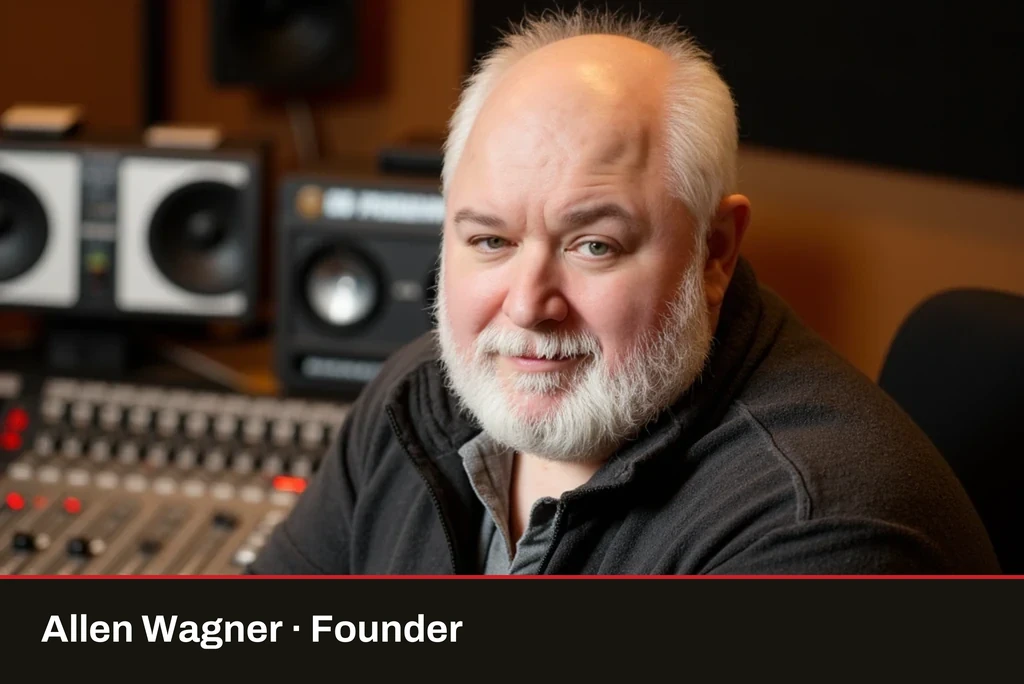
“I'd love to learn about you and your business.”
Ten minutes, and it's mostly me asking what you do, where you do it, and what you've already tried. No pitch deck, no discovery fee, no sales pressure.
Send the form on the rightbelow and I'll set up a call. If we're not a fit I'll tell you right up front and do my best to point you in the right direction.
Call me instead (360) 467-6957