
That’s most of the value, and it’s the part owners consistently underrate. The calls you lose aren’t usually the ones during business hours. They’re the ones at six on a Friday and mid-morning while you’re under a sink. This is the long version of a question on the page about AI phone answering, where the short answer is the same one.
What follows is when those calls actually arrive, why voicemail doesn’t catch them, and what should and shouldn’t happen at eleven at night.
When the calls come
Not when you’d guess. For most home services trades the busy stretches are early morning before work, lunchtime, and the hour after people get home.
That last one is the largest and the most commonly missed. Somebody gets in, notices the thing that’s been bothering them, and calls about it. If your day ended at five, that call went somewhere else.
Weekends are their own category. Saturday morning is when people deal with the house, and a business that’s unreachable until Monday is competing against three that weren’t.
Why voicemail doesn’t catch them
Because people don’t leave messages any more, and the ones who do are often already talking to somebody else by the time you call back.
Somebody with a problem and a list of three numbers works down the list. The first business that answers gets the conversation. Voicemail isn’t a safety net; it’s a polite way of being removed from consideration.
The exception is a customer who already knows you. They’ll leave a message, because they want you specifically. Everybody who hasn’t hired you before won’t.
What the storm week looks like
The worst night is the one that matters most.
Every trade has a version of it. The freeze, the storm, the week everything fails at once. Calls arrive in bursts, several at a time, and every competitor is in exactly the same position.
That’s the night a phone system earns its year. Four simultaneous callers all get answered, all get their details taken accurately, and the genuine emergencies get flagged rather than buried in nine voicemails you listen to at midnight.
Judge any answering system by what it does on your worst night, not your average Tuesday.
What should happen at eleven at night
Not everything, and this is where a system earns trust or loses it.
A genuine emergency should reach you. Water coming through a ceiling at eleven isn’t a message for the morning. The system’s job is to recognize it, say a human is being reached, and actually reach one by whatever route you’ve set.
Everything else should be captured properly and wait. A quote request at eleven doesn’t need waking you. It needs the details taken accurately and sitting in front of you at seven, with the caller told exactly when they’ll hear back.
The distinction between those two is yours to define, and it’s the most important setup decision. Get it wrong toward caution and you’re woken constantly. Get it wrong the other way and somebody with a real emergency waits until morning.
Drawing that line is the bulk of what MegaVoxx does at setup, and it’s trade-specific rather than generic. What counts as an emergency for a locksmith and for a kitchen fitter have almost nothing in common.
What the caller should hear
That you’re closed, when you open, and that somebody has their details.
Being told the truth plainly isn’t a bad experience. What’s a bad experience is ambiguity: a system that implies somebody is coming, or that leaves the caller unsure whether anything was recorded.
A caller who knows they’ll hear back at seven will usually wait until seven. A caller who doesn’t know will call the next business while they think about it.
The part that isn’t about answering
Answering after hours only helps if the follow-up happens.
A detailed message captured at nine on Saturday, sitting unread until Tuesday, has cost you the same customer as voicemail did. The system extends your reach; it doesn’t extend your response.
So the question worth asking yourself is what actually happens at seven the next morning. If the answer is “it depends how the day starts”, that’s the thing to fix first.
Do you need it around the clock
Not always, and it’s worth being honest about.
Some trades genuinely have no after-hours demand. Somebody arranging a kitchen renovation isn’t calling at midnight, and for that business extended evening coverage is worth far more than overnight.
Emergency trades are the opposite. Plumbing, heating, restoration, locksmithing, anything where the problem is happening right now: overnight is where a large share of the valuable work arrives, and it’s also the work people pay a premium for.
Look at your own call log at the hours nobody answered. That’s the actual answer, and it’s specific to you rather than to your trade.
What we’d tell you on the phone
Pull the last three months of calls and count how many came in outside your hours, then count how many of those you won. The gap between those numbers is what this is worth to you, in money, and it’s usually larger than expected.
Then decide the emergency rule before anything switches on. That one decision determines whether you trust the system at two in the morning or start ignoring it.


Book a call
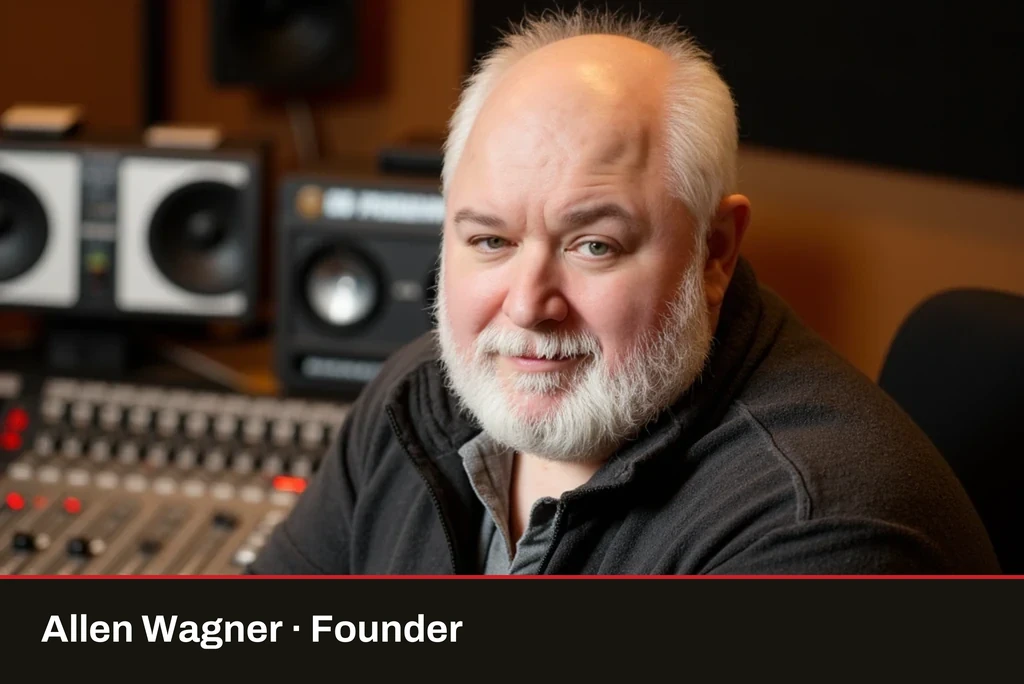
“I'd love to learn about you and your business.”
Ten minutes, and it's mostly me asking what you do, where you do it, and what you've already tried. No pitch deck, no discovery fee, no sales pressure.
Send the form on the rightbelow and I'll set up a call. If we're not a fit I'll tell you right up front and do my best to point you in the right direction.
Call me instead (360) 467-6957